
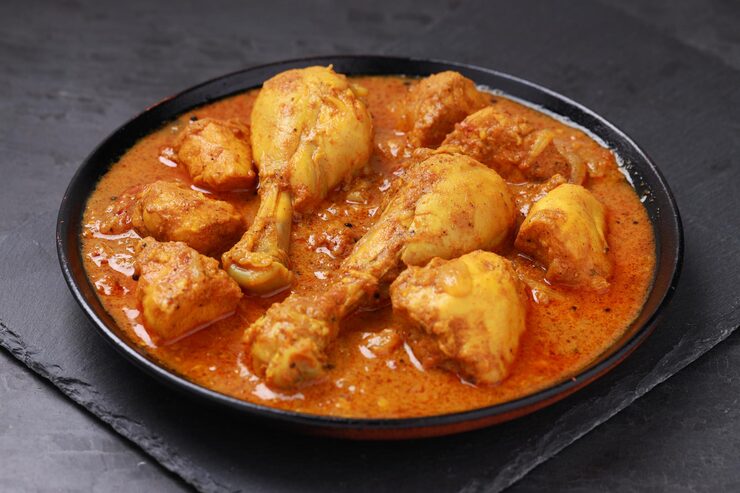
Chicken Curry is a quintessential Indian dish known for its rich aroma, vibrant color, and comforting taste. This dish combines succulent chicken pieces with a flavorful, spiced gravy, making it a favorite in homes and restaurants alike.
Preparing Chicken Curry at home allows you to customize the spice levels, control the richness, and enjoy a wholesome meal with family and friends. Its versatility makes it suitable for lunch, dinner, and festive occasions.
The key to an authentic Chicken Curry is fresh ingredients, perfectly balanced spices, and slow simmering that allows the flavors to meld.
Ingredients and Cooking Details Table
| Ingredients | Quantity | Notes |
|---|---|---|
| Chicken | 1 kg | Cut into medium pieces |
| Onion | 2 large | Finely chopped |
| Tomato | 2 medium | Pureed or chopped |
| Ginger-Garlic Paste | 2 tablespoons | Freshly ground |
| Green Chilies | 2-3 | Slit |
| Cumin Seeds | 1 teaspoon | For tempering |
| Coriander Powder | 2 teaspoons | |
| Turmeric Powder | 1/2 teaspoon | |
| Red Chili Powder | 1 teaspoon | Adjust according to taste |
| Garam Masala | 1 teaspoon | |
| Yogurt | 1/2 cup | Optional for creamy texture |
| Oil or Ghee | 3 tablespoons | For cooking |
| Salt | To taste | |
| Fresh Coriander Leaves | 2 tablespoons | Chopped, for garnish |
| Water | 2-3 cups | For gravy |
Preparing the Chicken Curry
Heat oil in a pan and add cumin seeds. Sauté chopped onions until golden brown, then add ginger-garlic paste and green chilies. Add tomatoes, turmeric, red chili powder, coriander powder, and salt, cooking until oil separates.
Add chicken pieces and cook until they are lightly browned. Pour water or stock and simmer until the chicken is cooked through and the gravy thickens. Add yogurt if using, and stir to blend smoothly.
Simmering the chicken slowly allows it to absorb the spices and gives the curry its rich, hearty flavor. Stirring occasionally ensures even cooking and prevents sticking.
Tips for Layered Flavor
For a deeper flavor, roast whole spices such as cinnamon, cloves, and cardamom in oil before adding onions. This technique releases essential oils and adds a fragrant aroma that complements the chicken.
Marinating chicken in yogurt, ginger-garlic paste, and spices for 1-2 hours prior to cooking enhances tenderness and infuses flavor from the inside out.
Cooking Techniques for Perfect Gravy
Use medium heat for cooking the curry to allow the flavors to meld. If the gravy becomes too thick, add a little warm water gradually while stirring. For creamier consistency, add a few tablespoons of cream or coconut milk towards the end.
Avoid overcooking the chicken, which can result in dryness. Cook until the internal temperature reaches a safe 165°F (75°C).
Serving Suggestions
Serve Chicken Curry hot with steamed basmati rice, jeera rice, or assorted Indian breads such as naan, roti, or paratha. Garnish with fresh coriander leaves and a drizzle of ghee or a squeeze of lemon for added richness.
Pairing with a side of yogurt or raita can help balance the spices and enhance the meal’s overall flavor profile.
Nutritional Insights
Chicken provides a high-protein base, while spices contribute antioxidants and digestive benefits. Moderate use of oil and yogurt ensures a nutritious meal without excessive calories.
This homemade preparation also allows control over sodium and spice levels, making it healthier than restaurant versions.
Variations to Try
- Add potatoes or bell peppers to the curry for added texture and nutrition.
- Use coconut milk to create a South Indian-style chicken curry with a slightly sweet and creamy flavor.
- Incorporate dried fenugreek leaves (kasuri methi) for an aromatic and authentic North Indian touch.
- Spice variations like Punjabi masala or garam masala can modify the flavor while keeping the essence of Chicken Curry intact.
Cooking Confidence for Beginners
Even novice cooks can master Chicken Curry by following proper steps for marination, tempering, and simmering. Understanding spice balance, chicken doneness, and gravy consistency ensures a successful dish every time.
Repeated practice improves control over flavor intensity, texture, and presentation, resulting in a professional-quality curry.
Cultural Significance
Chicken Curry is more than just a meal; it symbolizes warmth, tradition, and hospitality. It is a staple in Indian households, served during daily meals and festive occasions, representing both comfort and indulgence.
Sharing Chicken Curry with family or guests is a way of expressing love and care, reflecting the deep cultural significance of Indian cuisine.
Storage and Reheating
Cooked chicken curry can be stored in airtight containers in the refrigerator for 2-3 days. Reheat on medium heat, adding a splash of water or stock to maintain consistency. Proper reheating ensures the aroma, flavor, and texture are preserved.
Leftover curry can also be frozen for up to a month. Thaw overnight in the refrigerator and reheat gently on the stove for a convenient, delicious meal.
Enhancing Flavor Profiles
Adding freshly chopped herbs such as mint, coriander, or curry leaves can provide freshness and aromatic complexity. A squeeze of lemon juice before serving brightens the flavors and balances the richness of the curry.
For a smoky touch, try cooking the curry using the ‘dhungar’ technique by adding a piece of hot charcoal to the gravy and covering it for a few minutes. This adds an authentic smokiness reminiscent of traditional Indian cooking.
Common Mistakes to Avoid
- Skipping marination can result in less flavorful chicken. Even 30 minutes of marination can enhance tenderness and spice absorption.
- Cooking on high heat may burn spices or onions, resulting in a bitter taste.
- Not simmering the curry long enough can leave the gravy thin and under-flavored.
Being mindful of these details ensures a restaurant-quality Chicken Curry every time.
Pairing and Accompaniments
Serve Chicken Curry with aromatic rice varieties, such as basmati or jeera rice, for a complete meal. Indian breads like naan, roti, or paratha are excellent for scooping and enjoying the rich gravy.
Side dishes such as cucumber raita, onion salad, or pickles complement the spicy curry and enhance the dining experience.
Why This Recipe Stands Out
Attention to marination, tempering, simmering, and spice balance makes this Chicken Curry recipe stand out. Following these steps ensures a flavorful, tender, and aromatic curry that captures the essence of traditional Indian cooking.
Homemade preparation guarantees freshness, authentic taste, and the ability to personalize flavors according to preference, making it an ideal addition to any meal.
Read also:
one8 commune menu
tubata reviews
dunkin drinks
kababjees fried chicken menu