
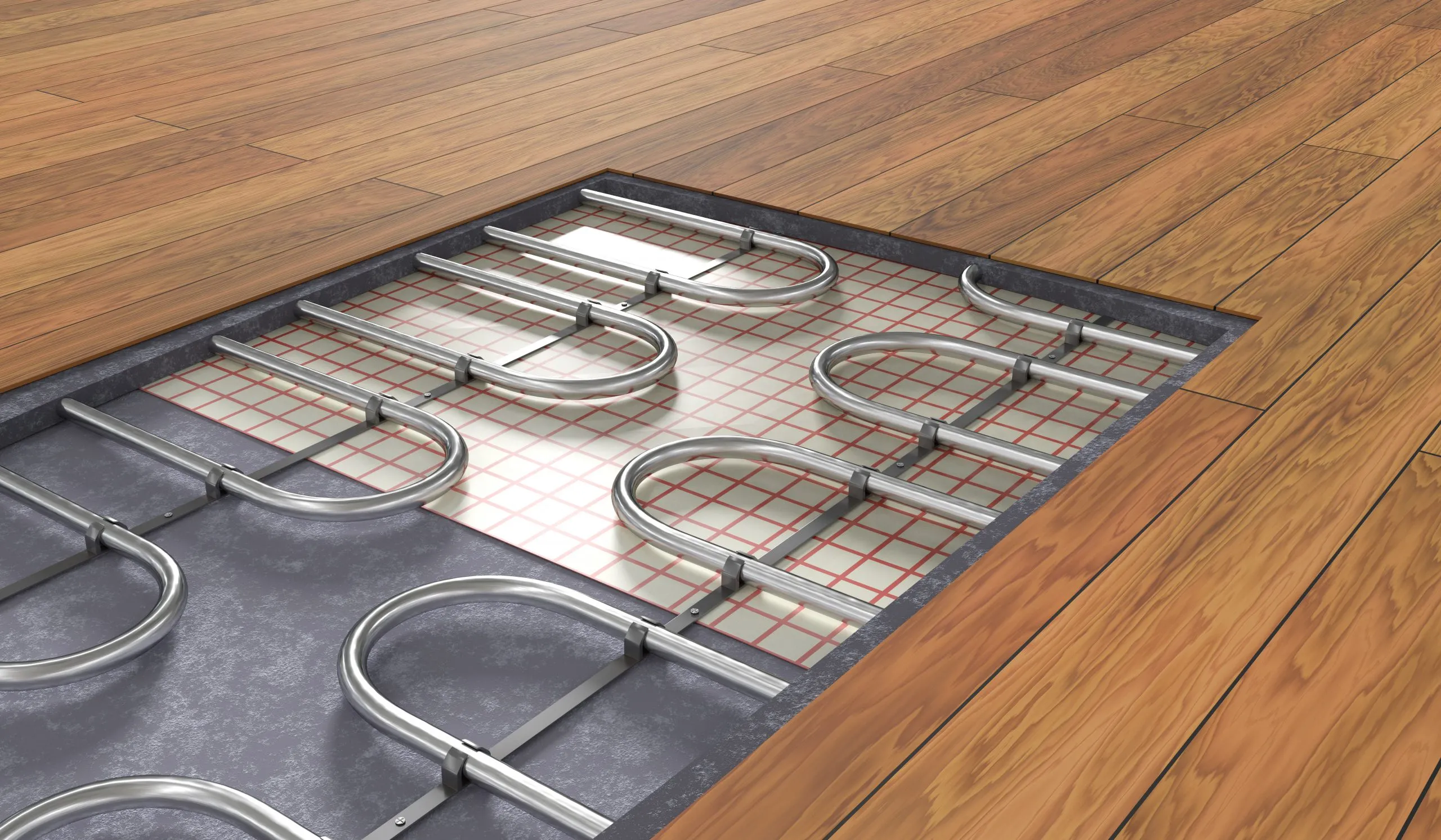
Heated floor systems are transforming the way homeowners think about comfort and heating. Instead of relying on noisy vents or bulky radiators, these systems gently warm the floor beneath your feet, creating an evenly heated and cozy indoor environment.
Imagine stepping out of bed on a cold winter morning and feeling a pleasantly warm floor rather than icy tiles. That simple comfort is one of the reasons radiant heating technology has gained popularity in modern homes, luxury renovations, and energy-efficient buildings.
While heated flooring once seemed like a luxury reserved for high-end properties, advances in technology have made it far more accessible. Homeowners now install these systems in bathrooms, kitchens, bedrooms, and even entire houses.
In this in-depth guide, we’ll explore how heated flooring works, the different types available, installation considerations, costs, and why so many homeowners are switching to heated floor systems today.
Table of Contents
ToggleUnderstanding How Radiant Heating Works
Radiant floor heating works differently from traditional HVAC systems. Instead of blowing hot air into a room, it warms the floor surface itself.
The heat then rises naturally from the floor and spreads evenly across the room. This method eliminates cold spots and keeps the entire space comfortable.
Traditional forced-air systems often push warm air upward quickly, leaving the lower half of a room cooler. Radiant heating solves that problem by warming the space from the ground up.
This natural heat distribution creates a comfortable environment while using less energy in many situations.
Why Homeowners Are Choosing Heated Floor Systems
One reason homeowners love radiant floor heating is the consistent comfort it provides. Unlike forced air systems that cycle on and off, radiant heating delivers steady warmth.
The absence of vents and fans also makes the system nearly silent.
Many homeowners also appreciate the design freedom it offers. Without baseboard heaters or wall radiators, rooms look cleaner and more modern.
Comfort is another major factor. Bathrooms, in particular, become far more enjoyable when tile floors stay warm during colder months.
Over time, the combination of comfort, efficiency, and aesthetics has made heated floor systems a desirable upgrade in both new construction and home renovations.
Types of Heated Floor Systems
Radiant floor heating typically falls into two main categories. Both work well but serve different needs depending on the home and installation situation.
Electric Radiant Heating Systems
Electric radiant systems rely on heating cables or mats installed beneath the floor surface.
When electricity passes through the cables, they warm up and heat the floor above them.
These systems are especially popular for smaller spaces like bathrooms or kitchens because they are easier to install during renovations.
Electric radiant heating also heats up relatively quickly, making it convenient for rooms that need occasional warmth.
However, electricity costs may influence long-term operating expenses in some regions.
Hydronic Radiant Heating Systems
Hydronic systems circulate warm water through flexible tubing installed beneath the floor.
The water is heated by a boiler, water heater, or sometimes solar energy.
This type of radiant heating is commonly used in larger homes or whole-house installations because it tends to be more energy-efficient for large areas.
Hydronic heating can also integrate with other energy sources such as geothermal or solar systems.
Because of its complexity, installation is typically handled by experienced professionals.
Where Heated Floor Systems Work Best
Radiant floor heating can be installed in many areas of a home, but some rooms benefit more than others.
Bathrooms remain the most common location. Cold tile floors in winter are uncomfortable, and radiant heating solves that problem instantly.
Kitchens are another popular space for installation. Since people often stand for long periods while cooking, a warm floor adds noticeable comfort.
Bedrooms also benefit from radiant heating because it creates a peaceful, draft-free environment ideal for sleeping.
Many modern homes now use heated floor systems across entire floors or throughout the house for consistent warmth.
Flooring Materials That Work With Radiant Heating
Not all flooring materials conduct heat equally well, so choosing the right material is important.
Tile and stone floors are among the best options. These materials conduct heat efficiently and retain warmth for long periods.
Concrete flooring also performs extremely well with radiant heating systems.
Engineered wood floors can work effectively as long as they are designed for radiant heat compatibility.
Carpet can be used in some cases, but thick carpet and heavy padding may reduce heating efficiency.
When planning radiant heating installation, flooring selection plays a significant role in performance.
Installation Process Explained
Installing radiant floor heating requires careful planning and preparation.
During installation, heating elements or tubing are placed beneath the finished floor. This may involve embedding the system within a thin layer of mortar, concrete, or a specialized underlayment.
Electric systems are generally easier to install because they require fewer mechanical components.
Hydronic systems involve additional equipment such as pumps, manifolds, and boilers, making them more complex.
Many homeowners choose to install heated floor systems during major renovations or new home construction because access to the subfloor is easier.
Professional installation ensures the system operates safely and efficiently for many years.
Energy Efficiency and Operating Costs
Energy efficiency is one of the biggest advantages of radiant heating technology.
Because the heat spreads evenly across the room, thermostats can often be set a few degrees lower while maintaining the same level of comfort.
Lower thermostat settings can translate into reduced energy consumption.
Hydronic systems, in particular, can operate with various energy sources including gas boilers, solar heaters, and heat pumps.
Electric radiant systems may cost slightly more to operate in areas with high electricity prices, but their installation costs are usually lower.
Over time, many homeowners find that heated floor systems provide a balanced mix of comfort and energy savings.
Maintenance and Longevity
Radiant floor heating systems are known for their durability.
Once installed properly, electric heating cables are sealed beneath the floor and require little maintenance.
Hydronic systems may need occasional inspection of the boiler and pump components, but the tubing itself can last decades.
Many manufacturers design radiant heating components to operate for 20 to 35 years or more.
Because the systems are hidden beneath the floor, they also avoid common problems associated with vents and ducts, such as dust buildup.
This reliability contributes to the growing popularity of heated floor systems in modern residential construction.
Health and Indoor Air Quality Benefits
Traditional forced-air heating systems circulate air throughout the home, which can spread dust, allergens, and pet dander.
Radiant heating eliminates that problem because it warms the room without moving air.
This creates a healthier indoor environment, particularly for individuals with allergies or respiratory sensitivities.
Another advantage is the consistent humidity level. Forced air can dry out indoor air, but radiant heating maintains a more balanced atmosphere.
Many homeowners report that rooms heated with heated floor systems feel more comfortable and less dry during winter.
Smart Home Integration
Modern radiant heating systems often integrate seamlessly with smart home technology.
Homeowners can control floor temperatures using programmable thermostats or smartphone apps.
This allows precise temperature scheduling for different rooms and times of day.
For example, the bathroom floor can warm up automatically before the morning routine begins.
Smart thermostats also improve efficiency by reducing heating when rooms are not in use.
Technology like this makes heated floor systems even more convenient and energy efficient.
Cost Considerations for Radiant Floor Heating
The cost of installing radiant heating varies depending on several factors.
Electric systems typically cost less upfront and are ideal for single-room installations.
Hydronic systems require higher initial investment due to boilers, pumps, and tubing networks.
However, they may offer better long-term energy savings for larger homes.
Installation costs also depend on flooring type, room size, and whether the project occurs during new construction or renovation.
Despite the upfront cost, many homeowners view radiant heating as a long-term investment in comfort and energy efficiency.
Common Myths About Radiant Floor Heating
Some homeowners assume radiant heating takes too long to warm a room.
In reality, modern systems heat floors relatively quickly, especially electric systems installed near the surface.
Another common misconception is that radiant heating can only be used in bathrooms.
Today’s technology allows installation in almost any room, including living areas, kitchens, and basements.
Some people also worry about overheating floors, but modern thermostats and sensors prevent temperatures from exceeding comfortable levels.
With proper design and installation, heated floor systems operate safely and efficiently for decades.
Real-Life Example: A Bathroom Renovation Story
A homeowner renovating a small bathroom in a cold climate decided to add radiant floor heating beneath new ceramic tiles.
Before the renovation, the bathroom felt uncomfortable in winter, especially early in the morning.
After installing an electric radiant heating mat beneath the tiles, the difference was immediately noticeable.
The floor stayed pleasantly warm, and the entire room felt cozier without relying on additional space heaters.
The homeowner later described it as one of the best upgrades in the entire renovation project.
Stories like this illustrate why heated floor systems continue to gain popularity in modern home design.
Professional Expertise and Installation Advice
Experts in building design and HVAC systems recommend careful planning before installing radiant heating.
Floor insulation plays a critical role in preventing heat loss and improving efficiency.
Proper thermostat placement ensures accurate temperature control.
Working with experienced installers helps homeowners avoid common mistakes and ensures the system performs as expected.
Many building professionals consider radiant heating one of the most comfortable and efficient home heating solutions available today.
Future Trends in Radiant Floor Heating
Radiant heating technology continues to evolve as energy efficiency becomes a higher priority worldwide.
Manufacturers are developing thinner heating elements that make installation easier during renovations.
Integration with renewable energy systems is also becoming more common.
Solar thermal systems and geothermal heat pumps can work alongside hydronic radiant heating to reduce energy consumption.
As building codes increasingly focus on energy performance, heated floor systems are expected to play an even greater role in sustainable home design.
Is Radiant Floor Heating Right for Your Home?
Choosing a heating system depends on several factors including climate, budget, and renovation plans.
For homeowners seeking consistent warmth, improved comfort, and energy efficiency, radiant heating offers clear advantages.
It removes the noise, drafts, and uneven temperatures often associated with traditional heating systems.
Whether installed in a single bathroom or throughout an entire home, heated floor systems provide a modern approach to indoor comfort.
With the right planning, materials, and professional installation, radiant heating can transform the everyday experience of living spaces—starting from the floor beneath your feet.