
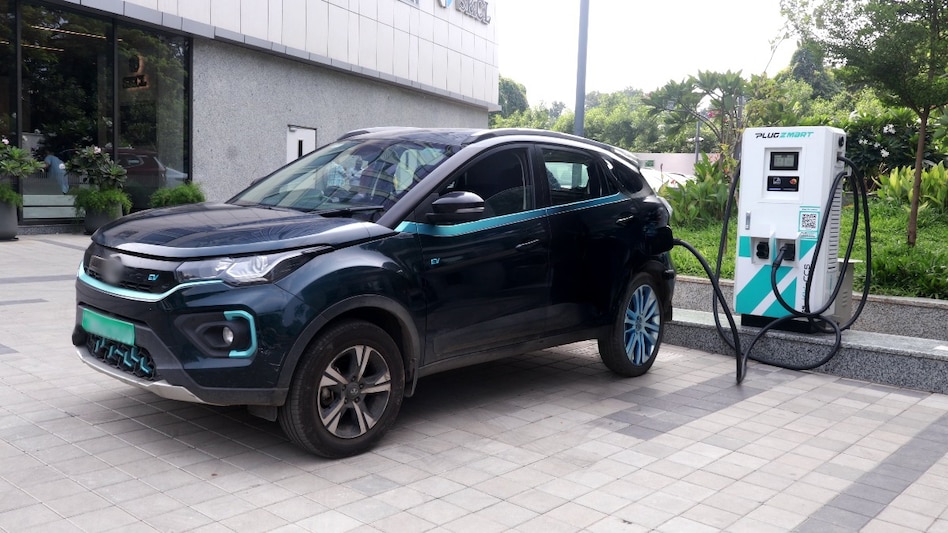
Electric vehicle adoption India is no longer just a futuristic idea—it’s becoming a visible reality on roads across the country. From bustling metro cities to smaller towns, electric scooters, cars, and even buses are steadily gaining popularity.
A few years ago, owning an electric vehicle felt like a niche choice. Today, it’s a practical, cost-effective, and environmentally conscious decision for many Indians. Whether it’s rising fuel prices or increasing awareness about climate change, multiple factors are accelerating this shift.
The transformation is not just about vehicles; it’s about redefining how India moves.
Why Electric vehicle adoption India Is Accelerating
The rapid growth of Electric vehicle adoption India can be linked to a combination of economic, environmental, and technological factors.
One of the biggest drivers is the rising cost of petrol and diesel. For daily commuters, especially in urban areas, switching to electric vehicles significantly reduces running costs. Charging an EV is much cheaper compared to fueling a traditional vehicle.
Government policies have also played a major role. Incentives, subsidies, and tax benefits have made electric vehicles more accessible to the average consumer. These initiatives encourage both buyers and manufacturers to invest in cleaner mobility solutions.
Environmental awareness is another key factor. With increasing pollution levels in cities, people are actively looking for greener alternatives. Electric vehicles produce zero tailpipe emissions, making them an attractive choice.
Understanding the Current Market Landscape
To truly appreciate Electric vehicle adoption India, it’s important to understand how the market has evolved in recent years.
Electric two-wheelers have seen the fastest growth. They are affordable, practical, and ideal for short-distance travel. Many first-time EV buyers start with scooters or bikes before considering electric cars.
Electric cars are also gaining traction, especially among urban professionals. Improved battery technology and longer driving ranges have made them more reliable for daily use.
Public transportation is another area witnessing change. Electric buses are being introduced in several cities, offering cleaner and quieter commuting options.
This diverse growth across segments shows that the EV movement is not limited to a single category but is expanding across the entire mobility ecosystem.
Real-Life Story: A Shift Toward Electric
The impact of Electric vehicle adoption India becomes more relatable when seen through real-life experiences.
Consider a working professional in a city like Jaipur who used to spend a significant amount on fuel every month. After switching to an electric scooter, their monthly commuting cost dropped drastically.
Not only did they save money, but they also experienced a smoother and quieter ride. Charging the vehicle overnight at home became a convenient routine.
Stories like this are becoming increasingly common, reflecting a broader shift in consumer behavior.
Infrastructure Challenges and Opportunities
While Electric vehicle adoption India is growing rapidly, infrastructure remains a critical factor. Charging stations are still not as widespread as fuel pumps.
However, this challenge is also creating opportunities. Both government and private companies are investing heavily in expanding charging networks. New stations are being set up in residential areas, highways, and commercial spaces.
Home charging solutions are also becoming more accessible. Many EV owners prefer installing chargers at home, making daily charging simple and convenient.
As infrastructure continues to improve, it will further accelerate adoption and reduce range anxiety among potential buyers.
Technological Advancements Driving Growth
Technology plays a vital role in the success of Electric vehicle adoption India. Advances in battery technology have significantly improved vehicle performance and reliability.
Modern EVs offer longer driving ranges, faster charging times, and better efficiency. These improvements address some of the biggest concerns consumers had in the past.
Smart features, such as mobile app integration and real-time monitoring, enhance the overall user experience. Drivers can track battery status, locate charging stations, and optimize their journeys.
Continuous innovation ensures that electric vehicles remain competitive with traditional options.
Economic Benefits for Consumers
One of the strongest reasons behind Electric vehicle adoption India is the economic advantage it offers.
Although the initial cost of an EV may be higher, the long-term savings are significant. Lower running costs, reduced maintenance expenses, and government incentives make electric vehicles a cost-effective choice.
Electric vehicles have fewer moving parts compared to conventional vehicles. This reduces wear and tear, leading to lower maintenance costs over time.
For daily commuters, these savings can add up quickly, making EVs a smart financial decision.
Environmental Impact and Sustainability
The environmental benefits of Electric vehicle adoption India cannot be ignored. With rising concerns about air pollution and climate change, electric vehicles offer a cleaner alternative.
By reducing dependence on fossil fuels, EVs help lower greenhouse gas emissions. This contributes to improved air quality, especially in densely populated cities.
The shift toward renewable energy sources for electricity generation further enhances the sustainability of electric vehicles.
As more people adopt EVs, the collective impact on the environment becomes increasingly significant.
Government Initiatives and Policy Support
Government support has been instrumental in promoting Electric vehicle adoption India. Various schemes and policies aim to encourage both consumers and manufacturers.
Subsidies on electric vehicles reduce the overall cost for buyers. Tax benefits and incentives make EVs more attractive compared to traditional vehicles.
Policies focused on building charging infrastructure and supporting local manufacturing further strengthen the EV ecosystem.
These initiatives create a favorable environment for growth and innovation in the electric mobility sector.
Challenges That Still Need Attention
Despite the progress, Electric vehicle adoption India faces certain challenges. High upfront costs remain a concern for some buyers, even with subsidies.
Limited charging infrastructure in rural areas can also be a barrier. While urban regions are seeing rapid development, smaller towns still need better access to charging facilities.
Battery disposal and recycling are other important issues. As EV usage increases, proper systems need to be in place to manage battery waste responsibly.
Addressing these challenges is essential for ensuring sustainable and inclusive growth.
The Role of Awareness and Education
Awareness plays a crucial role in accelerating Electric vehicle adoption India. Many potential buyers still have misconceptions about electric vehicles.
Educating consumers about benefits, costs, and maintenance can help them make informed decisions.
Workshops, campaigns, and online resources are helping spread accurate information. As awareness increases, more people are likely to consider switching to electric vehicles.
This shift in mindset is just as important as technological and infrastructural advancements.
Future Outlook of Electric Mobility in India
The future of Electric vehicle adoption India looks promising. With continuous advancements and strong policy support, the EV market is expected to grow rapidly in the coming years.
Automakers are investing heavily in developing new electric models. Increased competition will lead to better options and more affordable prices for consumers.
The expansion of charging infrastructure will further boost confidence among buyers.
As India moves toward a more sustainable future, electric vehicles will play a central role in transforming transportation.
Building Trust Through Experience and Reliability
Trust is a key factor in the growth of Electric vehicle adoption India. Consumers need to feel confident about the reliability and performance of EVs.
Positive user experiences, improved product quality, and strong after-sales support contribute to building this trust.
Manufacturers and service providers are focusing on enhancing customer satisfaction. This includes better warranties, service networks, and support systems.
As trust grows, more people will be willing to make the switch to electric vehicles.
Everyday Impact on Indian Roads
The influence of Electric vehicle adoption India is already visible in everyday life. Electric scooters quietly navigating city streets, charging stations appearing in parking lots, and conversations about EVs becoming more common.
This gradual transformation is changing how people perceive transportation. Electric vehicles are no longer seen as an alternative but as a mainstream choice.
With each new adoption, the momentum continues to build, shaping the future of mobility in India.
Read also: