
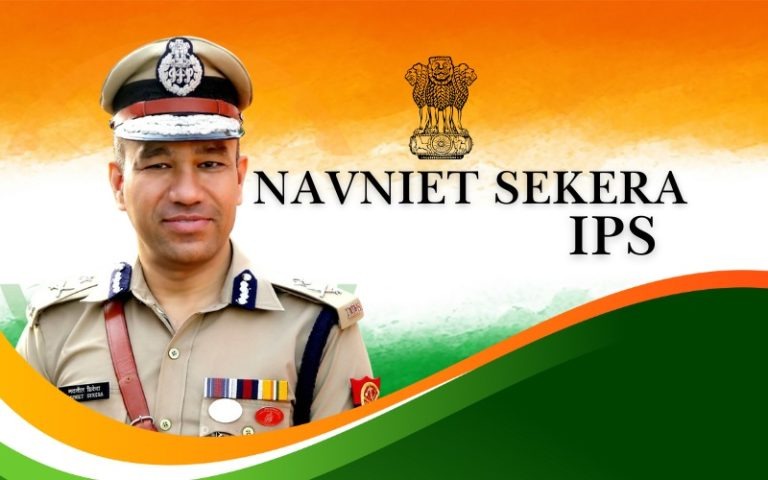
Leadership in the Indian Police Service involves making decisions, guiding personnel, and managing responsibilities that affect public safety. Readers exploring officersdetails.com can learn how IPS officers develop leadership skills and apply them while handling administrative duties, police operations, and public concerns.
Leadership Beyond Official Rank
An official designation gives an IPS officer authority, but effective leadership depends on how that authority is used. Officers need to communicate expectations, understand problems, and make decisions within the boundaries of applicable law. Their responsibilities may involve supervising teams, reviewing operational reports, resolving administrative difficulties, and coordinating with other departments. A senior position does not mean every decision should be made without consultation. Experienced leaders listen to relevant information before choosing a practical course of action. They also recognise that police personnel work under different conditions and may face challenges that are not immediately visible to senior management. Good leadership therefore combines clear direction with careful listening. It also requires officers to accept responsibility for their decisions and review the results when circumstances change.
Clear Communication With Teams
Police departments depend on communication between senior officers, station personnel, specialist units, and administrative staff. Instructions that sound clear during a meeting may become confusing when several teams must act quickly. IPS officers need to explain priorities, responsibilities, and reporting requirements in direct language. They should also give personnel suitable opportunities to ask questions when instructions need clarification. Regular briefings can help teams understand changing conditions and identify operational concerns early. Written communication matters too, especially when instructions, official decisions, or important updates need accurate records. Communication should remain professional even when deadlines are tight or disagreements occur. When everyone understands their role, teams can coordinate more effectively and avoid preventable mistakes during routine work.
Making Fair And Balanced Decisions
Police leadership often involves situations where different people present conflicting information or competing demands. An officer must assess the available evidence and apply relevant laws rather than relying on personal preferences. Decisions may concern staffing, security arrangements, complaint reviews, resource allocation, or operational priorities. Fairness does not always mean satisfying every person involved, because legal duties and practical limits must also be considered. It means using consistent standards and explaining decisions through appropriate official channels. Officers should recognise uncertainty when facts remain incomplete and avoid making unsupported assumptions. Keeping accurate records can help explain how a decision was reached later. A balanced approach protects professional standards and supports confidence in police administration.
Handling Pressure And Uncertainty
Pressure is a regular part of policing because unexpected incidents can demand attention before every detail becomes available. IPS officers may need to coordinate responses, assess reports, and decide which issues require immediate action. Remaining organised helps them separate urgent responsibilities from matters that can safely wait. They should verify important information and seek specialist advice when a situation requires expertise outside their own knowledge. Pressure can also affect communication, so concise instructions and regular updates become particularly valuable. Officers must follow legal procedures even when public attention or operational demands increase. Reviewing difficult decisions afterwards can identify useful lessons for future situations. Managing pressure is not about appearing unaffected, but about maintaining judgement while working through demanding circumstances.
Building Trust Within Departments
Trust between senior officers and their teams develops through consistent behaviour over time. Personnel are more likely to raise concerns when they believe their information will receive fair consideration. Leaders can support this environment by listening carefully, addressing workplace issues, and applying departmental rules consistently. Trust does not remove the need for supervision or accountability, since professional duties still require review. Instead, it helps create conditions where problems can be discussed before they become more serious. Senior officers should acknowledge good work while addressing mistakes through suitable procedures. They also need to avoid giving instructions that conflict with legal requirements or established professional standards. A respectful working environment can improve cooperation without weakening discipline or responsibility.
Managing Time And Resources
Administrative leadership includes deciding how limited staff, equipment, and working hours should be used. Police departments often manage several responsibilities at once, including crime prevention, investigations, public events, and emergency readiness. IPS officers may review staffing patterns, assess operational requirements, and determine where additional attention is necessary. Priorities should reflect legal obligations, local risks, available resources, and information from field personnel. A schedule can help organise meetings and reviews, although unexpected incidents may require immediate adjustments. Officers also need to consider whether routine administrative work is delaying more urgent responsibilities. Accurate records make it easier to identify repeated problems and plan improvements. Good resource management involves practical choices rather than simply assigning more tasks to already busy teams.
Learning From Experience And Feedback
Leadership skills develop through professional training, practical experience, and thoughtful review of previous decisions. IPS officers encounter different situations throughout their careers, so one approach may not suit every posting. Feedback from colleagues and subordinate personnel can reveal operational problems that senior officers might otherwise miss. Reports following major incidents can also highlight weaknesses in communication, planning, or resource allocation. Officers should assess feedback carefully instead of accepting every suggestion without examination. Useful improvements need to fit legal requirements and the department’s actual working conditions. Training programmes can strengthen skills in administration, negotiation, technology, and emergency coordination. Continued learning helps officers adapt as public needs and policing methods change.
Maintaining Ethical Standards
Ethical conduct is central to police leadership because officers exercise public authority and handle sensitive responsibilities. Decisions must respect the law, individual rights, confidentiality requirements, and established service rules. Leaders should avoid favouritism and ensure that professional decisions rely on relevant facts. They must also respond appropriately when misconduct or procedural concerns are brought to their attention. Ethical leadership includes being honest about limitations and correcting mistakes through the proper channels. Public trust can suffer when authority appears to serve private interests instead of lawful public duties. Clear standards and consistent supervision help personnel understand what professional conduct requires. These principles matter during ordinary administrative work just as much as during major public incidents.
Conclusion
Leadership in the IPS involves communication, sound judgement, resource management, teamwork, and a commitment to ethical conduct. Officers need to guide personnel while respecting legal requirements and responding to changing operational conditions. Experience can strengthen these skills, especially when officers review outcomes and learn from constructive feedback. Strong leadership does not depend on rank alone, but on responsible decisions and consistent professional behaviour. Readers interested in IPS careers and officer information can explore officersdetails.com, while official government sources should be used to verify current appointments and service details.
Read also :-