
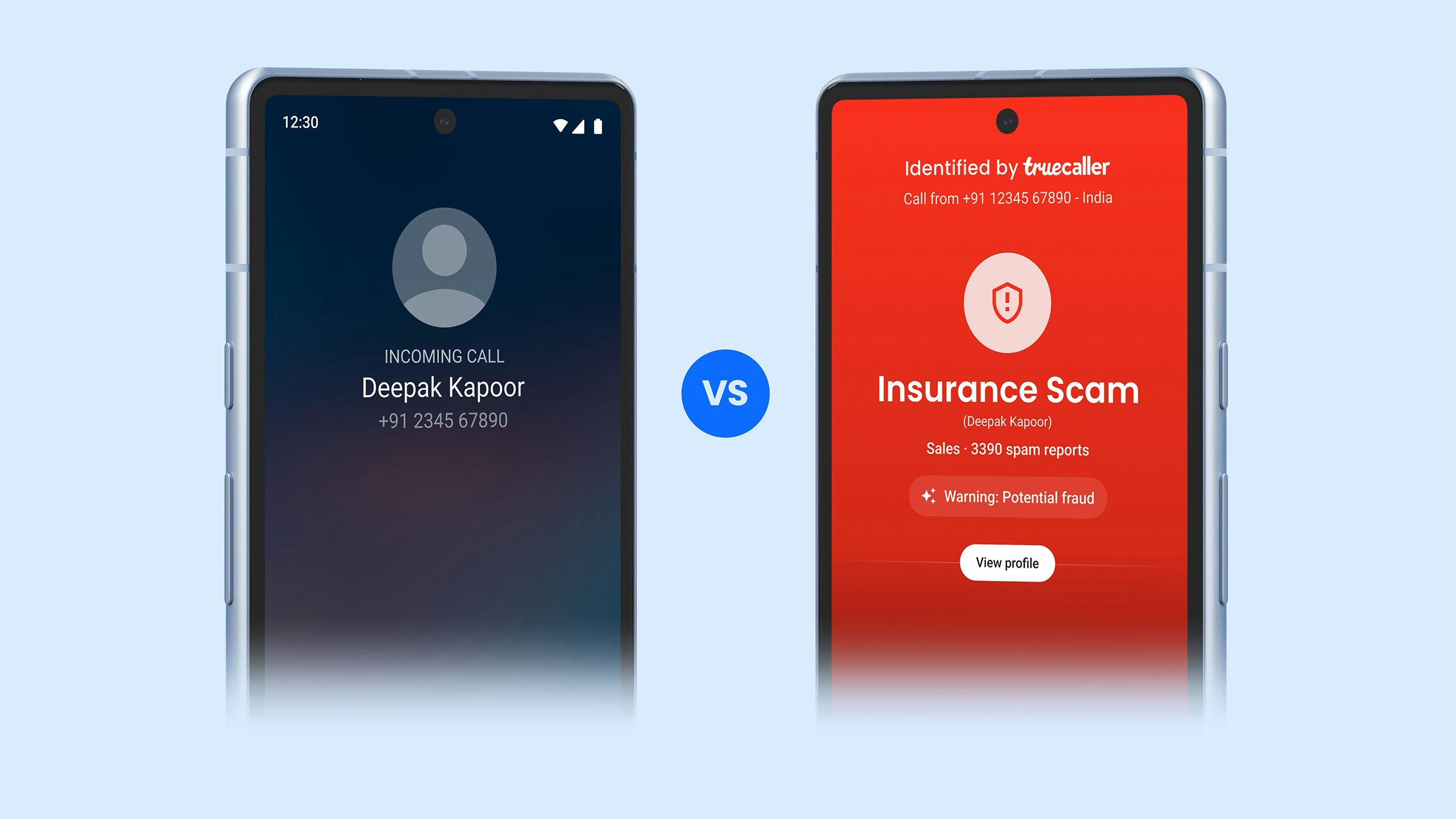
Numbers often seem ordinary at first glance, but sometimes a specific sequence like 6156820748 can spark curiosity and raise questions about its purpose, meaning, or possible applications. Whether it appears as a phone number, a tracking ID, a code, or simply a random numeric string, such a number can carry significance depending on the context in which it is used.
First, let’s look at the structure of 6156820748. It is a 10-digit number, which is commonly associated with mobile phone numbers in many countries, including India and the United States. If used as a contact number, it could belong to an individual, business, or service provider. However, without context, it remains just a numeric identity—waiting to be assigned meaning.
Beyond communication purposes, numbers like this are often used in digital systems. For example, they can function as transaction IDs, order numbers, or account identifiers in online platforms. In banking or e-commerce, such numbers ensure that every transaction remains unique and traceable. This uniqueness is critical in preventing errors and maintaining organized records.
Another interesting aspect is the randomness of the number. At first glance, 6156820748 doesn’t follow an obvious pattern such as repetition or symmetry. However, breaking it down reveals smaller components: 615, 682, 0748. These segments could represent dates, codes, or categorized data in specific systems. For instance, companies often divide long numbers into meaningful chunks to store and process information efficiently.
From a mathematical perspective, large numbers like this can also be analyzed for properties. It is an even number since it ends in 8, meaning it is divisible by 2. Such observations might seem simple, but they are the basis of more complex numerical studies and algorithms used in computing and cryptography.
In the digital age, numbers like 6156820748 are also commonly used in verification processes. OTPs (One-Time Passwords), user IDs, and security tokens rely heavily on random or semi-random number generation. While this particular number may not be an OTP, it resembles the kind of numeric sequence used in secure authentication systems.
Interestingly, people sometimes assign personal meaning to numbers. Some may interpret them through numerology, where each digit carries symbolic value. For instance, breaking down 6156820748 into individual digits and adding them together can give a single-digit number, which is then interpreted for personality traits or future predictions. While not scientifically proven, numerology remains popular in many cultures.
Additionally, numbers like this can appear in databases, software logs, or analytics tools. Developers and IT professionals often encounter such sequences when tracking user activity, debugging systems, or analyzing performance data. In these cases, the number becomes a key reference point in a much larger system.
In conclusion, 6156820748 may seem like just a random number, but its significance depends entirely on context. It could represent a phone number, a system-generated ID, a tracking code, or even hold personal meaning for someone. In today’s data-driven world, numbers are more than just digits—they are identifiers, connectors, and essential components of modern technology.
For More Info: