
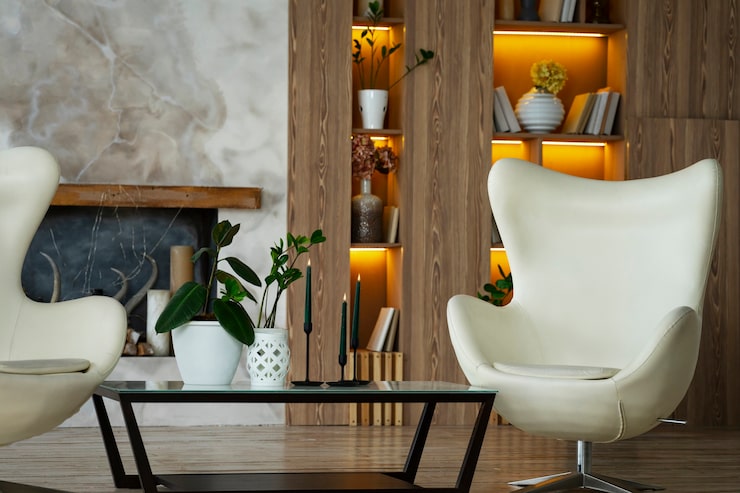
Modern furniture designs are no longer just about how a home looks; they are about how a home works.
Step into any contemporary apartment, startup office, or newly built villa, and you’ll notice the same shift. Furniture is lighter, smarter, and more intentional. Every sofa, table, or chair seems to serve more than one purpose while still looking effortlessly stylish. This evolution didn’t happen overnight. It reflects changing lifestyles, smaller urban homes, remote work culture, and a growing preference for clutter-free living.
Unlike traditional furniture that focused heavily on ornamentation, modern styles prioritize balance. They sit at the intersection of comfort, functionality, and visual calm. In real life, that means furniture that adapts to daily routines rather than forcing people to adapt to it.
The philosophy behind modern furniture designs
At the heart of modern furniture lies a simple idea: form follows function. This philosophy emerged in the early 20th century and continues to influence designers worldwide. Instead of carving-heavy patterns or bulky silhouettes, modern furniture favors clean lines, open spaces, and practical proportions.
This approach resonates deeply with today’s homeowners. After long workdays and screen-heavy lives, people crave interiors that feel breathable and organized. Furniture becomes a tool to reduce mental clutter, not add to it. A streamlined sofa or a neatly designed storage unit quietly supports daily life without demanding attention.
Modern furniture designs also align well with minimalist thinking, where quality matters more than quantity. Rather than filling rooms with excess pieces, one well-designed chair or table often does the job beautifully.
How modern furniture designs fit real homes today
In modern urban homes, space is a luxury. Studio apartments, compact flats, and hybrid work-from-home setups demand furniture that adapts quickly. That’s where modern furniture shines.
A dining table doubles as a work desk. A sofa transforms into a guest bed. A coffee table hides storage inside. These aren’t gimmicks; they are thoughtful solutions born from real-life needs. Homeowners increasingly choose furniture that earns its place every day.
Even larger homes benefit from this mindset. Open floor plans rely on furniture to define zones without walls. A sleek bookshelf can separate a living area from a workspace, while still letting light pass through. The result feels open, flexible, and modern without sacrificing warmth.
Materials that define modern furniture designs
Materials play a major role in shaping the identity of modern furniture. Wood remains a favorite, especially in lighter finishes like oak, ash, and walnut. These woods add warmth while maintaining a clean aesthetic.
Metal is often used for frames, legs, and accents. Matte black, brushed steel, and soft gold tones add structure without visual heaviness. Glass, when used thoughtfully, enhances openness and reflects light, making rooms feel larger.
Sustainable materials are gaining attention as well. Reclaimed wood, bamboo, and recycled metals reflect a growing awareness of environmental responsibility. Today’s buyers don’t just ask how furniture looks; they ask where it comes from and how it’s made.
The role of color in modern furniture designs
Color choices in modern interiors are intentional and calming. Neutral tones like white, beige, gray, and soft browns dominate the base palette. These shades create flexibility, allowing furniture to blend effortlessly with different décor styles.
That doesn’t mean modern furniture avoids color. Instead, color is used strategically. A muted green armchair, a deep blue sofa, or a terracotta accent stool can become a focal point without overwhelming the room.
This balance makes modern furniture timeless. Homeowners can update wall colors, rugs, or accessories without replacing major furniture pieces, making it a practical long-term investment.
Why modern furniture designs prioritize comfort
A common myth is that modern furniture sacrifices comfort for looks. In reality, comfort is one of its strongest selling points. Advances in ergonomics, cushioning technology, and upholstery materials have transformed how modern furniture feels.
Chairs support natural posture. Sofas are designed for lounging as much as entertaining. Even minimalist beds focus on proper support and restful sleep. Designers now work closely with ergonomics experts to ensure that beauty never comes at the cost of usability.
In everyday life, this translates into furniture that supports longer sitting hours, relaxed evenings, and healthier posture without looking bulky or outdated.
Modern furniture designs in living rooms
Living rooms often showcase the strongest expression of modern style. The focus is on openness, movement, and comfort. Sofas feature straight lines or gentle curves, often raised on slim legs to create visual space beneath.
Coffee tables are kept low and functional, sometimes nesting or featuring hidden compartments. Entertainment units are sleek, wall-mounted, or floating, helping reduce visual weight.
The result is a living space that feels inviting without feeling crowded. It’s a place where hosting guests, watching movies, or simply unwinding feels natural and effortless.
Bedroom spaces shaped by modern furniture designs
Modern bedrooms emphasize calm and rest. Beds often feature low profiles, clean headboards, and neutral upholstery. Storage is discreet, built into bed frames or designed as flush wardrobes that blend into walls.
Nightstands are compact yet functional, often floating or minimalist in design. Lighting is soft and layered, complementing the furniture rather than overpowering it.
This approach creates bedrooms that feel like personal retreats. There’s a sense of order that helps the mind slow down, something many people value deeply in fast-paced lifestyles.
Kitchens and dining with a modern approach
In dining areas, modern furniture favors simplicity and comfort. Dining tables are often rectangular or round with slim legs and smooth finishes. Chairs prioritize ergonomic seating without excessive padding.
Open kitchens benefit from bar stools and island seating designed to be both stylish and durable. Materials used here are chosen for easy maintenance, reflecting real-world usage rather than showroom perfection.
Families appreciate how these designs make everyday meals, work-from-home lunches, and social gatherings feel equally comfortable.
Modern furniture designs for offices and workspaces
Remote work has changed how people view furniture. Home offices are no longer optional. Modern office furniture responds with compact desks, ergonomic chairs, and storage solutions that fit seamlessly into living spaces.
Unlike traditional office furniture, modern designs focus on blending into home décor. A desk doesn’t look out of place in a bedroom or living room. Chairs are supportive yet visually light.
This integration helps maintain work-life balance, allowing spaces to shift roles throughout the day without feeling rigid.
The influence of technology on modern furniture designs
Technology has subtly reshaped furniture design. Built-in charging ports, cable management systems, and smart storage reflect how devices have become part of daily life.
Furniture now anticipates usage. Desks accommodate monitors and laptops. Side tables include hidden power outlets. Beds integrate reading lights and charging docks.
These features enhance convenience while preserving clean aesthetics. The technology supports life quietly, rather than dominating visual space.
Craftsmanship and trust in modern furniture designs
EEAT principles play a critical role in furniture choices today. Buyers want expertise, transparency, and trust. Brands that openly share their design process, materials, and craftsmanship earn credibility.
Modern furniture often highlights joinery, finishes, and construction quality rather than hiding them behind decoration. This honesty builds long-term trust and reflects confidence in the product.
Customers increasingly rely on real reviews, expert recommendations, and long-term durability when choosing furniture, making authenticity a defining factor.
Modern furniture designs as a long-term investment
While modern furniture may sometimes appear more expensive upfront, it often proves cost-effective over time. Timeless aesthetics reduce the need for frequent replacements. Durable materials withstand daily use.
More importantly, modern furniture adapts. As lifestyles change, these pieces continue to fit new homes, layouts, and needs. A well-chosen sofa or dining table can move across years and spaces without losing relevance.
This adaptability makes modern furniture a practical choice, not just a visual one.
How modern furniture designs reflect lifestyle choices
Furniture today reflects values. Choosing modern designs often signals a preference for simplicity, functionality, and thoughtful living. It’s less about showing wealth and more about creating meaningful spaces.
Homes become places that support routines, creativity, rest, and connection. Furniture quietly shapes these experiences every day.
As lifestyles continue to evolve, modern furniture designs will keep responding, not through trends alone, but through real human needs.