
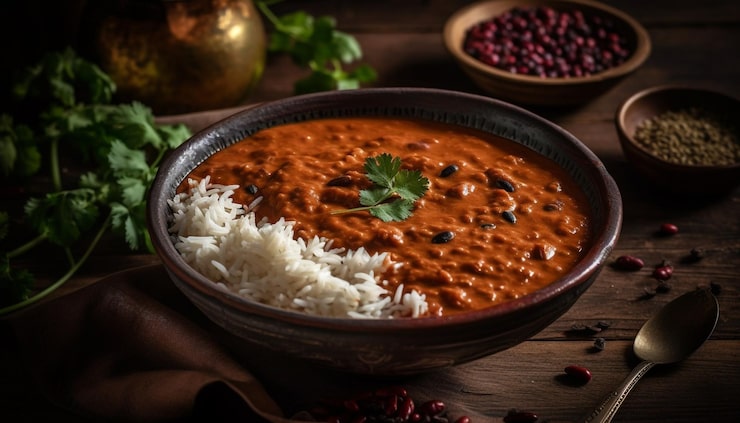
Rajma Chawal Recipe is more than just a daily meal; it is an emotion deeply connected with Indian kitchens. From childhood lunches to hostel mess memories, this dish has quietly become the definition of comfort food. The soft kidney beans soaked in a rich, slow-cooked gravy paired with steamed rice create a balance that feels both satisfying and nostalgic.
In North Indian households, rajma chawal is often cooked with patience rather than pressure. It is not about fancy presentation but about warmth, familiarity, and taste that grows deeper with every bite.
Cultural Importance of Rajma Chawal in Indian Cuisine
Rajma was introduced to Indian kitchens through global trade but quickly found its place in North Indian cooking. Food historian K. T. Achaya noted how kidney beans were adapted into local spice blends and cooking methods. Over time, rajma chawal became a regular home meal, especially in Punjab, Delhi, and Himachal Pradesh.
The dish gained popularity because it was affordable, nutritious, and easy to cook in large quantities. Even today, it remains a favorite comfort meal across generations.
Why Rajma Chawal Feels Like Pure Home Food
There is something deeply calming about the process of making rajma chawal. Soaking beans overnight, slow cooking the gravy, and letting the flavors rest creates a sense of routine and comfort. Many home cooks believe rajma tastes even better the next day because the spices settle beautifully.
Chef Sanjeev Kapoor often mentions that rajma is not meant to be rushed. The slower it cooks, the better it tastes, making it a true comfort dish.
Choosing the Right Ingredients for Authentic Taste
A perfect rajma chawal starts with good-quality kidney beans. Dark red rajma is preferred because it holds its shape and absorbs flavors well. Fresh onions, ripe tomatoes, ginger, and garlic are essential for building the base flavor.
Medium-grain rice works best as it complements the thick gravy without overpowering it. Using fresh spices ensures that the dish tastes balanced and not overly heavy.
Soaking and Cooking Rajma the Right Way
Rajma needs to be soaked for at least eight hours or overnight. Proper soaking softens the beans and makes them easier to cook and digest. After soaking, the beans are pressure cooked until soft but not mushy.
This step is crucial because undercooked rajma can ruin the entire dish, while perfectly cooked beans create a creamy, smooth gravy naturally.
Preparing Rice for Rajma Chawal
Rice may seem simple, but it plays an important role in the overall experience. The rice should be fluffy, light, and separate. Overcooked or sticky rice can overpower the rajma and disturb the balance.
Most traditional homes prefer plain steamed rice so the rajma gravy remains the highlight of the meal.
Building the Traditional Rajma Gravy Base
The heart of the Rajma Chawal Recipe lies in its gravy. Finely chopped onions are slow-cooked until golden brown, releasing sweetness and depth. Ginger and garlic are added gently to avoid bitterness.
Tomatoes are then cooked until oil separates, creating a thick and flavorful base. This step takes time but forms the foundation of authentic rajma chawal.
Balancing Spices in Rajma Chawal Recipe
Rajma does not rely on heavy spices. Cumin seeds, bay leaf, coriander powder, and garam masala work together to enhance the natural taste of kidney beans. The goal is warmth, not heat.
Chef Ranveer Brar often explains that rajma should taste earthy and comforting rather than spicy, making it suitable for regular meals.
Slow Simmering for Rich Flavor
Once the cooked rajma is added to the gravy, slow simmering becomes essential. This allows the beans to absorb spices and release starch, naturally thickening the gravy.
Experienced cooks know that longer simmering creates deeper flavor. This is why leftover rajma chawal often tastes even better the next day.
Why This Rajma Chawal Recipe Works Every Time
This Rajma Chawal Recipe follows traditional cooking principles that focus on patience and balance. Each stage builds flavor gradually, ensuring the dish turns out rich without being heavy.
By allowing time for proper cooking, the result is consistent, comforting, and authentic every single time.
Health Benefits of Rajma Chawal
Rajma is packed with plant-based protein, fiber, and essential minerals. It supports digestion, heart health, and provides long-lasting energy. When paired with rice, rajma forms a complete protein meal.
This combination makes rajma chawal ideal for vegetarians and anyone seeking a wholesome, filling dish.
Traditional Way of Serving Rajma Chawal
Rajma is usually served hot with plain rice, a spoon of ghee, and sliced onions. This simple presentation allows the flavors to shine without distraction.
Some families also enjoy it with curd or pickle, but the dish stands strong even on its own.
Regional Styles of Rajma Chawal Recipe
Punjabi rajma is thick and rich, while Himachali versions are lighter and more earthy. Delhi-style rajma strikes a balance between spice and tanginess.
Despite these variations, the soul of the Rajma Chawal Recipe remains the same across regions.
Common Mistakes to Avoid While Cooking Rajma
Undercooked rajma can feel grainy and unpleasant. Using too many spices can mask the natural flavor of beans. Cooking on high heat often results in uneven texture.
Patience and moderate seasoning are the keys to perfect rajma chawal.
Modern Kitchen Adaptations
Pressure cookers and instant pots have made rajma easier to prepare, but the cooking philosophy remains unchanged. Even with modern tools, slow simmering enhances flavor.
Urban kitchens continue to adapt the recipe without losing its traditional essence.
Why Rajma Chawal Is Loved Across Generations
Rajma chawal suits all age groups because of its soft texture and mild spice. It is nourishing, filling, and easy to digest, making it a family favorite.
Few dishes manage to stay relevant across decades without losing their identity.
Rajma Chawal as a Weekend Comfort Meal
In many homes, rajma chawal is reserved for weekends. The slow cooking process matches the relaxed pace of a Sunday afternoon and brings the family together.
This tradition adds emotional value, making the dish even more special.
Perfecting Rajma Chawal Over Time
Like all comfort foods, rajma chawal improves with practice. Every attempt teaches better control over spice, texture, and timing.
Once mastered, this Rajma Chawal Recipe becomes a dependable favorite that never fails to satisfy.
Read also:
pickup coffee menu
aamchi
maharashtra famous food
habitat cafe menu