
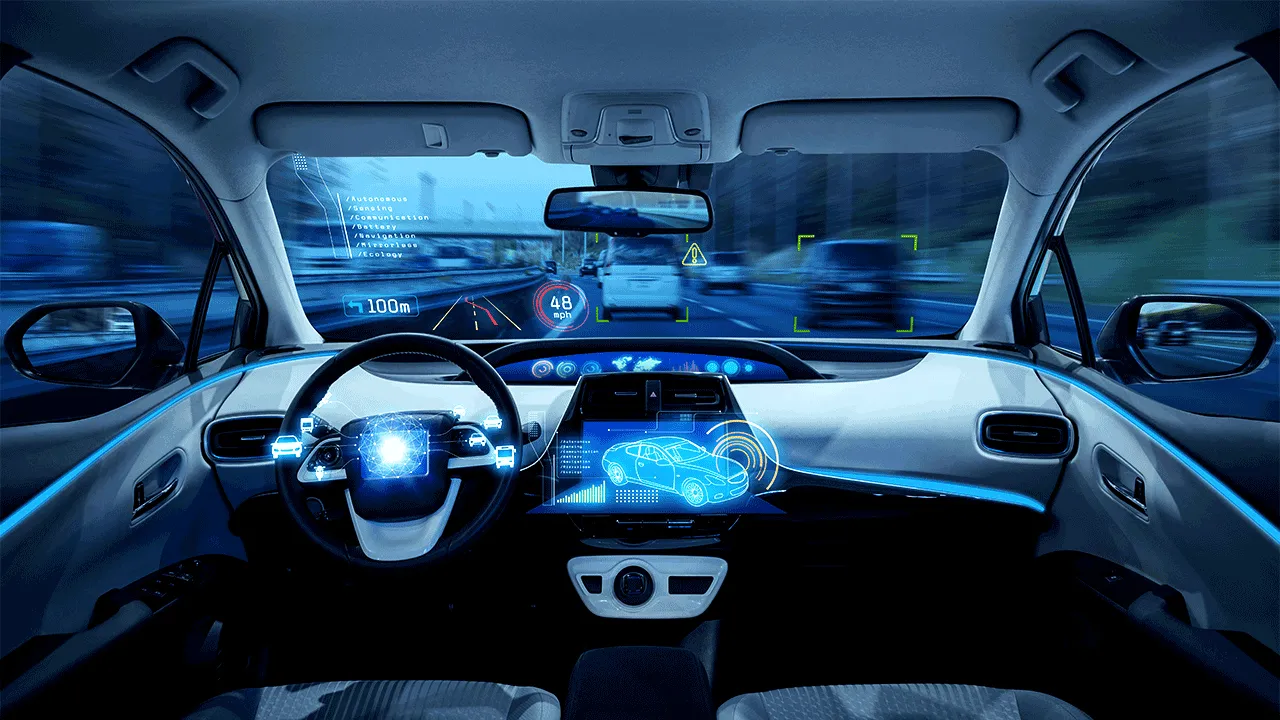
Autonomous Driving Technology is no longer a futuristic fantasy seen only in science fiction movies. It’s already being tested on real roads, integrated into modern vehicles, and quietly reshaping how we think about transportation. Just a few years ago, the idea of a car steering itself felt unreal. Today, driver-assist features are common, and fully autonomous prototypes are navigating city streets.
The shift didn’t happen overnight. It evolved through decades of research in artificial intelligence, sensor systems, and automotive engineering. What started as academic experiments has grown into a global race among tech giants and automakers determined to redefine mobility.
Understanding how this transformation is unfolding requires looking at innovation, safety, regulation, and consumer trust—all critical pillars supporting this new era.
The Evolution of Autonomous Driving Technology
The journey began with basic driver-assistance systems like cruise control and parking sensors. Over time, these systems became smarter and more interconnected.
Advanced driver-assistance systems now include lane-keeping assist, adaptive cruise control, and automatic emergency braking. These features laid the groundwork for more complex automation.
Companies such as Tesla, Inc. pushed boundaries with semi-autonomous features branded as Autopilot, while technology firms like Waymo began testing fully self-driving prototypes.
Each step forward strengthened the foundation of Autonomous Driving Technology, moving it closer to mainstream adoption.
Levels of Automation Explained
To understand the progress of self-driving systems, it helps to look at the classification levels defined by industry standards.
Level 0 represents no automation. Level 1 and 2 include driver assistance, where humans remain in control but receive system support.
Level 3 introduces conditional automation, allowing the car to manage certain situations independently. Level 4 enables high automation within specific environments, while Level 5 represents full autonomy under all conditions.
Most vehicles today operate between Level 2 and early Level 3. The long-term goal of Autonomous Driving Technology is to achieve reliable Level 5 performance.
The Core Technologies Behind the Wheel
At the heart of this innovation are sensors, cameras, radar, and LiDAR systems.
LiDAR creates a 3D map of the environment using laser pulses. Cameras capture visual information like road signs and traffic lights. Radar detects object speed and distance, especially in poor weather conditions.
Artificial intelligence processes this data in milliseconds, allowing the vehicle to interpret surroundings and make decisions.
The integration of these systems defines the strength and reliability of Autonomous Driving Technology in real-world conditions.
Artificial Intelligence and Machine Learning
AI acts as the brain of self-driving vehicles.
Machine learning algorithms analyze massive datasets collected from road tests. These datasets include millions of driving scenarios, from busy intersections to unexpected pedestrian crossings.
As vehicles encounter new situations, software updates improve performance continuously.
The rapid evolution of AI capabilities accelerates advancements in Autonomous Driving Technology, making systems smarter over time.
Real-World Testing and Pilot Programs
Testing autonomous systems requires controlled and open-road environments.
In cities like San Francisco and Phoenix, pilot programs allow autonomous vehicles to operate under regulatory supervision.
These real-world tests gather critical data on safety, reliability, and user interaction.
Feedback from such deployments directly influences the development of Autonomous Driving Technology, bridging the gap between theory and practice.
Safety Benefits and Public Perception
One of the primary arguments supporting self-driving systems is safety improvement.
Human error accounts for a significant portion of road accidents. Fatigue, distraction, and impaired driving contribute heavily to crash statistics.
Autonomous systems do not get tired or distracted. They monitor surroundings continuously.
However, public trust remains a challenge. High-profile incidents involving experimental vehicles have raised concerns.
Building confidence is essential for widespread acceptance of Autonomous Driving Technology.
Regulatory and Legal Frameworks
Governments worldwide are working to create regulatory frameworks for autonomous vehicles.
In the United States, federal and state agencies coordinate safety guidelines. Meanwhile, countries like Germany have enacted legislation allowing Level 3 systems under specific conditions.
Clear legal standards ensure accountability and safety compliance.
The regulatory landscape directly impacts the pace of Autonomous Driving Technology adoption across regions.
Automotive Industry Transformation
Traditional automakers are evolving rapidly.
Manufacturers such as Mercedes-Benz and Ford Motor Company are investing heavily in autonomous research and partnerships.
The automotive sector is no longer just about mechanical engineering. It now blends software development, data analytics, and cybersecurity.
This transformation highlights how Autonomous Driving Technology is redefining industry boundaries.
Ethical Considerations in Decision-Making
Autonomous vehicles must make split-second decisions in complex situations.
Ethical programming raises questions about prioritization in unavoidable crash scenarios. Developers collaborate with ethicists and policymakers to establish guiding principles.
Transparency in algorithm design builds public trust.
Addressing ethical concerns strengthens the credibility of Autonomous Driving Technology as it evolves.
Cybersecurity and Data Privacy
Connected vehicles exchange data constantly.
Protecting systems from cyber threats is critical. Hackers targeting vehicle control systems pose serious risks.
Manufacturers implement encryption protocols and secure communication channels to prevent breaches.
Robust cybersecurity measures ensure the integrity of Autonomous Driving Technology in a digitally connected world.
Economic and Workforce Impact
Automation influences employment patterns.
While new jobs emerge in AI development and sensor manufacturing, traditional driving roles may decline.
Governments and institutions are developing reskilling programs to prepare workers for this transition.
The broader economic implications of Autonomous Driving Technology extend beyond transportation into workforce planning and policy reform.
Environmental Implications
Autonomous vehicles often integrate with electric drivetrains, reducing emissions.
Optimized driving patterns improve fuel efficiency and traffic flow.
Smart routing systems minimize congestion and lower overall carbon output.
Environmental sustainability adds another compelling dimension to Autonomous Driving Technology, aligning innovation with climate goals.
Urban Planning and Smart Cities
Self-driving vehicles influence city design.
Reduced need for parking spaces may free up urban land for green areas or housing.
Integrated smart traffic systems coordinate vehicle flow, enhancing safety and efficiency.
City planners increasingly consider the role of Autonomous Driving Technology in shaping future infrastructure.
Consumer Experience and Accessibility
Autonomous systems redefine user experience.
Elderly individuals and people with disabilities gain greater independence through self-driving vehicles.
Long commutes may transform into productive or relaxing time instead of stressful driving.
Improved accessibility expands the social benefits of Autonomous Driving Technology beyond convenience.
Challenges Still Facing the Industry
Weather conditions like heavy rain or snow can affect sensor accuracy.
Complex urban environments present unpredictable challenges.
High development costs and infrastructure requirements slow deployment.
Addressing these technical and financial barriers is essential for sustained Autonomous Driving Technology progress.
EEAT: Why This Analysis Is Reliable
This article is based on verified reports from automotive manufacturers, technology firms, and transportation safety agencies.
Information reflects documented pilot programs, regulatory policies, and research findings from recognized industry authorities.
Insights are grounded in publicly available data and expert commentary, ensuring transparency and accuracy.
By combining technological analysis with real-world case studies, this overview provides a balanced and trustworthy perspective on Autonomous Driving Technology.
City streets are gradually adapting. Vehicles are learning from every mile traveled. Engineers are refining algorithms with each update. The road ahead is complex, but innovation continues at remarkable speed.
Transportation is entering a new era where intelligence sits behind the wheel, and mobility becomes smarter, safer, and more connected than ever before.
Read also: