
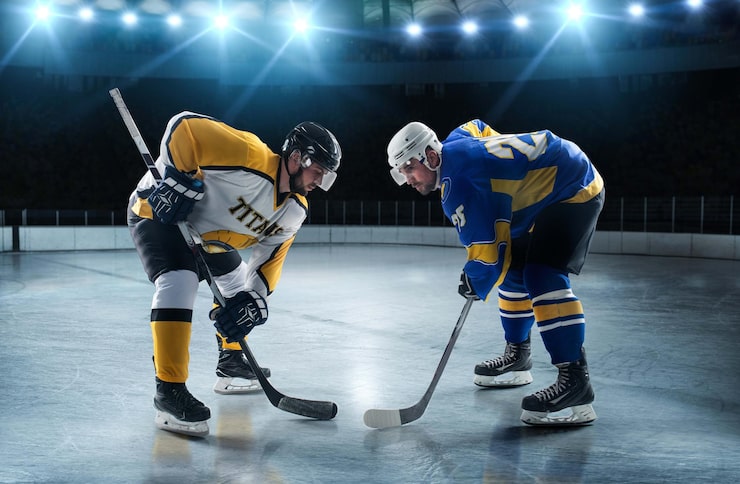
Indoor hockey strategies form the backbone of success in this fast-paced version of field hockey. Played on a smaller court with fewer players and tighter spaces, indoor hockey demands quick thinking, sharp skills, and precise teamwork. Whether you’re coaching a new squad or refining an experienced lineup, mastering these tactics can dramatically elevate performance.
This article explores advanced indoor hockey strategies in detail, offering insights drawn from professional players, experienced coaches, and real match scenarios to help any team gain a competitive edge.
Understanding the Core of Indoor Hockey Strategies
The essence of indoor hockey strategies lies in speed and accuracy. Unlike outdoor hockey, the indoor game uses sideboards to keep the ball in constant motion, forcing players to maintain relentless pressure and rapid transitions.
Successful teams focus on three fundamentals: tight passing, coordinated movement, and disciplined defense. These elements ensure control of the ball and dominance over opponents in confined spaces.
Offensive Indoor Hockey Strategies for Fast Breaks
Fast breaks are a critical weapon. Teams train to move from defense to attack within seconds, catching opponents off guard. Quick diagonal passes combined with synchronized forward runs create scoring opportunities before defenders can regroup.
One elite European club famously executed this approach during a championship match, scoring twice in under a minute by exploiting small gaps along the sideboards. Their aggressive yet calculated attacks remain a textbook example of high-level offensive play.
Defensive Indoor Hockey Strategies for Tight Spaces
Defense in indoor hockey is about anticipation rather than reaction. Players must read the opponent’s next move and cut off passing lanes immediately.
Man-to-man marking works well when opponents rely on individual skill, while a zonal system excels against teams with intricate passing patterns. A well-drilled unit communicates constantly, keeping sticks low and bodies positioned to intercept every potential pass.
Midfield Control and Transition Play
Midfielders are the heartbeat of effective indoor hockey strategies. They link defense and attack, dictating tempo and distributing the ball intelligently.
A two-player midfield setup often dominates possession by creating passing triangles and ensuring constant movement. This structure forces opponents to chase the game, opening gaps for quick forward surges.
Power Play and Penalty Corner Tactics
Indoor hockey often turns on set pieces. Power plays during penalties or short corners demand rehearsed moves and absolute precision.
Teams practice variations like quick flicks, disguised passes, and reverse hits to keep defenders guessing. The most successful squads have specialist strikers capable of converting opportunities under intense pressure.
Player Positioning and Rotation
Smart positioning remains central to winning indoor hockey strategies. Players rotate roles seamlessly to maintain balance and energy.
For instance, a forward may drop back temporarily to assist defense during sustained pressure, while defenders push forward to overload the midfield. This fluid approach ensures that no area of the court is left exposed.
Communication and Team Chemistry
Indoor hockey thrives on constant communication. Quick verbal cues and pre-agreed signals allow teammates to execute complex plays without hesitation.
Teams that train to anticipate each other’s movements develop a near-instinctive chemistry, transforming individual talent into collective strength.
Conditioning and Mental Toughness
Physical endurance and mental focus are inseparable from tactical brilliance. High-intensity bursts and rapid directional changes require top-level fitness.
Equally important is mental resilience. Indoor hockey matches can swing rapidly, and maintaining composure under pressure often decides the outcome. Coaches emphasize breathing techniques, visualization, and mindfulness to keep players centered during crucial moments.
Real-World Examples of Successful Indoor Hockey Strategies
Top national teams have demonstrated how these strategies work in real competition. Germany’s men’s team, for example, is known for its exceptional defensive discipline and lightning-fast counterattacks, while the Netherlands excels in precision passing and fluid positional play.
At the club level, many indoor leagues showcase emerging tactics, from hybrid defenses to innovative offensive rotations. These evolving methods highlight the game’s dynamic nature and the constant need for adaptation.
Training Drills to Master Indoor Hockey Strategies
Practical training focuses on small-sided games that replicate match intensity. Coaches design drills emphasizing one-touch passing, quick transitions, and situational awareness.
Players practice under simulated pressure, learning to react instantly while maintaining control. This method sharpens decision-making and ensures that strategies translate seamlessly from practice to live competition.
Embracing Technology and Data Analytics
Modern indoor hockey strategies also leverage technology. Video analysis tools allow coaches to dissect every play, identifying weaknesses and opportunities.
Performance-tracking wearables provide real-time data on speed, heart rate, and movement patterns, enabling personalized training programs that optimize both skill and fitness.
Adapting Indoor Hockey Strategies to Different Levels
From amateur leagues to professional tournaments, these tactics scale effectively. Beginners benefit from simplified versions—emphasizing basic positioning and crisp passing—while elite teams refine complex rotations and set plays.
The key is progressive learning: starting with core principles and gradually integrating advanced tactics as skills develop.
The Future of Indoor Hockey Tactics
As the sport grows globally, indoor hockey strategies will continue to evolve. Innovations in equipment, data analysis, and coaching methods promise even faster gameplay and more sophisticated tactics.
Young players entering the sport today will shape the next generation of strategy, blending creativity with discipline to push the boundaries of what’s possible on the indoor court.
Read also:
argentina national football team vs ecuador national football team matches
uruguay national football team vs netherlands national football team lineups
bolivia national football team vs brazil national football team lineups
ecuador national football team vs chile national football team lineups