
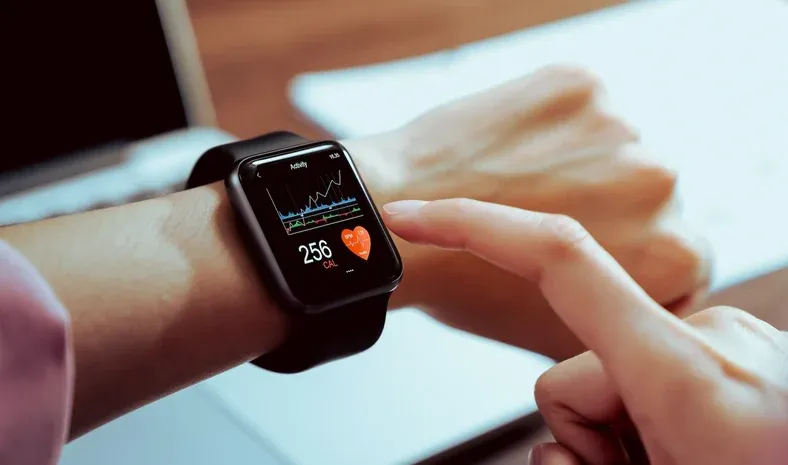
Smart wearable tech has evolved from simple step counters into sophisticated health monitoring systems that provide insights once available only through medical appointments and lab tests. Two years ago, my doctor recommended tracking my sleep patterns and heart rate variability to address persistent fatigue. Instead of expensive sleep studies or frequent office visits, I started using a fitness tracker that revealed patterns I never would have noticed otherwise—my sleep quality plummeted on nights after late-evening screen time, and my resting heart rate spiked during particularly stressful work weeks.
The data transformed my approach to health from reactive to proactive. Rather than waiting for problems to become serious enough to warrant doctor visits, I now spot concerning trends early and make lifestyle adjustments before issues escalate. When my tracker showed my resting heart rate creeping upward over several weeks despite no obvious illness, I scheduled a checkup that caught a thyroid issue in its early stages. The technology didn’t replace medical care—it made my healthcare more effective by providing continuous monitoring between appointments.
The democratization of health data represents one of technology’s most significant contributions to personal wellbeing. Metrics that once required expensive equipment and medical expertise are now accessible through devices costing a few hundred dollars and simple smartphone apps. This accessibility empowers people to understand their bodies better and make informed decisions about exercise, sleep, stress management, and overall lifestyle choices.
Understanding the Different Categories and Capabilities
The wearable technology landscape encompasses diverse devices designed for various purposes and user preferences. Understanding the distinctions between categories helps identify which type best matches your needs and lifestyle rather than defaulting to whatever happens to be popular at the moment.
Fitness trackers focusing primarily on activity monitoring, step counting, and basic health metrics provide the most affordable entry point into wearable technology. These devices excel at motivation and accountability for people primarily interested in increasing daily activity and establishing exercise habits. A friend who struggled with sedentary work habits credits her basic fitness band with transforming her activity levels through gentle reminders to move and satisfying progress tracking.
Smartwatches combining fitness tracking with smartphone connectivity, app ecosystems, and productivity features appeal to users wanting comprehensive wrist-worn technology. These devices handle notifications, calls, messages, payments, and countless apps while also monitoring health metrics. The convenience of leaving your phone in your pocket while staying connected proves surprisingly valuable once you adapt to the wrist-based interface.
Specialized sports watches targeting serious athletes with advanced training metrics, GPS tracking, and sport-specific features provide depth that general-purpose devices can’t match. Runners, cyclists, swimmers, and triathletes benefit from detailed performance analytics, training load monitoring, and route mapping that casual fitness trackers don’t offer. My marathon-running colleague swears by his specialized running watch that provides insights about cadence, ground contact time, and training stress that transformed his performance.
Health-focused wearables prioritizing medical-grade monitoring over general fitness features serve users managing specific health conditions or seeking clinical-level data. Devices with FDA clearance for ECG monitoring, blood oxygen measurement, or continuous glucose monitoring provide capabilities that bridge consumer technology and medical devices. These tools particularly benefit people managing chronic conditions who need consistent monitoring.
Smart rings offering discreet form factors with sleep tracking, activity monitoring, and health metrics appeal to users who dislike watch-style devices. The minimal design and extended battery life make these attractive alternatives for people who find watches uncomfortable or incompatible with their style preferences. I know several people who switched to rings specifically because they couldn’t tolerate sleeping with watches but wanted sleep tracking capabilities.
Exploring Health and Fitness Applications in Daily Life
The practical applications of wearable technology extend far beyond simply counting steps, touching nearly every aspect of health and wellness when used thoughtfully. Understanding these capabilities helps maximize the value you extract from devices rather than using expensive technology as glorified pedometers.
Sleep tracking and analysis reveal patterns and issues that might otherwise remain invisible. Monitoring sleep stages, disturbances, respiratory rate, and overnight heart rate variability provides actionable insights about sleep quality. Since starting to track sleep seriously, I’ve identified several habits that destroyed my sleep quality—alcohol within three hours of bed, late exercise, and inconsistent sleep schedules all showed clear negative impacts in the data.
Heart rate monitoring during exercise ensures you’re training at appropriate intensities rather than guessing whether you’re working hard enough or overdoing it. Zone-based training guided by real-time heart rate data optimizes workout effectiveness while preventing overtraining. Learning my actual heart rate zones through testing revealed I had been exercising too intensely for endurance building and too easily for interval training.
Stress tracking through heart rate variability and other metrics helps identify when your body is experiencing elevated stress even when you don’t consciously feel it. This awareness enables taking recovery actions before stress accumulates into burnout or health problems. My watch’s stress alerts have prompted me to take brief walks or breathing breaks during intense work periods, preventing the afternoon crashes I used to experience regularly.
Activity reminders combating sedentary behavior gently nudge you to move throughout the day rather than concentrating activity into single workout sessions. Research increasingly shows that breaking up sitting time matters as much for health as dedicated exercise, and these reminders make implementing that knowledge practical. The hourly movement prompts initially annoyed me but now feel like helpful accountability from a patient coach.
Menstrual cycle tracking integrated with other health metrics helps users identify patterns in energy, sleep, mood, and physical performance across monthly cycles. Understanding how hormonal fluctuations affect various metrics enables adjusting training, nutrition, and schedules to work with your body rather than against it. Several female athletes I know credit cycle tracking with breakthrough performance improvements from training in sync with their physiology.
Blood oxygen monitoring gained prominence during the pandemic and continues providing useful baseline health information and potential early warning of respiratory issues. While not replacing medical evaluation, tracking blood oxygen trends adds another data stream for understanding overall health status.
Maximizing Accuracy and Reliability of Data
Wearable devices provide remarkably sophisticated monitoring in compact form factors, but understanding their limitations and how to optimize accuracy ensures you’re making decisions based on reliable data rather than misleading numbers. Not all metrics are equally accurate, and proper use dramatically affects measurement quality.
Fit and positioning significantly impact measurement accuracy, particularly for optical heart rate sensors that require consistent skin contact. Watches worn too loosely produce wildly inaccurate readings, while overly tight fit causes discomfort and circulation issues. I spent weeks troubleshooting erratic heart rate data before realizing my watch was simply too loose during workouts. Adjusting the fit immediately resolved the inconsistencies.
Device selection based on intended use matters because different devices excel at different measurements. Chest strap heart rate monitors remain gold standard for accuracy during intense exercise, while wrist-based optical sensors work well for resting measurements and moderate activity. Understanding these distinctions prevents frustration when devices don’t perform perfectly for all applications.
Calibration and baseline establishment through structured tests or medical comparisons validates that your device measures accurately for your specific physiology. Skin tone, arm hair, wrist anatomy, and other individual factors affect optical sensor accuracy. Comparing device readings against medical-grade equipment during a checkup confirms whether your specific device produces reliable data for you.
Trend analysis over single measurements provides more meaningful insights since individual readings vary based on countless factors. A single elevated resting heart rate might mean nothing, but consistent upward trends over weeks signal something worth investigating. I’ve learned to focus on weekly and monthly averages rather than obsessing over daily fluctuations that often represent normal variation.
Environmental factors including temperature, altitude, and humidity affect certain measurements and should be considered when interpreting data. My device always shows different sleep scores when traveling to different climates, and understanding these environmental influences prevents misinterpreting the data as sudden changes in my health.
Integrating Wearables into Comprehensive Wellness Strategies
Smart wearable tech delivers maximum value when integrated into broader health approaches rather than treated as standalone solutions. The data these devices provide should inform decisions and behaviors, not replace common sense or medical guidance.
Goal setting based on data helps establish realistic, personalized targets rather than arbitrary round numbers. Instead of defaulting to 10,000 steps daily because it’s a popular target, analyzing your current baseline and incrementally improving creates achievable goals matched to your starting point. I now set weekly activity goals based on my schedule rather than forcing identical daily targets that don’t account for life’s variability.
Behavior change reinforcement through immediate feedback and progress tracking leverages the psychological power of visible progress and accountability. Seeing activity rings close or sleep scores improve provides motivation that abstract health benefits don’t match. The gamification elements in many apps tap into achievement psychology effectively, making healthy behaviors feel rewarding rather than obligatory.
Medical collaboration brings professional expertise to interpret and act on the data you’re collecting. Sharing trends with your doctor during appointments provides them information they’d never otherwise have access to, enabling more informed care. My doctor now downloads my health data before appointments, using it to guide our discussions toward the most relevant concerns.
Supplementary tracking through journaling, nutrition logging, or mood tracking correlates wearable data with lifestyle factors to identify cause-and-effect relationships. My sleep scores alone told me sleep quality varied, but correlating them with food, exercise, and stress journals revealed specific behaviors that improved or degraded sleep. This multi-dimensional tracking creates comprehensive understanding impossible from single data streams.
Periodic breaks from obsessive tracking prevent the technology from creating anxiety rather than promoting wellness. Some people develop unhealthy relationships with their data, experiencing stress when metrics don’t hit targets or compulsively checking statistics throughout the day. I now take week-long tracking breaks quarterly to reset my relationship with the data and ensure it serves me rather than controls me.
Navigating Privacy and Data Security Considerations
The intimate health data these devices collect raises legitimate privacy and security concerns that deserve careful consideration. Understanding how companies handle your information and taking steps to protect it ensures you benefit from the technology without unnecessary risk.
Data collection policies vary dramatically between manufacturers, with some anonymizing and aggregating data while others retain personally identifiable information indefinitely. Reading privacy policies before purchasing reveals what data is collected, how it’s used, who can access it, and how long it’s retained. I specifically chose my current device partially based on the manufacturer’s transparent privacy practices and commitment to data minimization.
Third-party sharing of health data with insurance companies, employers, or other entities creates potential for discrimination or misuse despite current protections. Understanding exactly who might access your information and under what circumstances helps make informed decisions about what data to collect and which platforms to trust with sensitive health metrics.
Data breaches affecting health technology companies have exposed millions of users’ personal health information, demonstrating that no system is perfectly secure. Considering what information you’re comfortable potentially becoming public helps establish boundaries around what you track and share. I avoid tracking or journaling anything I’d be horrified to see leaked, maintaining certain health information exclusively offline.
Device security through strong passwords, two-factor authentication, and regular firmware updates protects against unauthorized access to your data and device functionality. Many people overlook basic security practices on wearables they wouldn’t neglect on phones or computers. Treating these devices with the same security consciousness as other connected technology is essential.
Legal protections including HIPAA in the United States and GDPR in Europe provide some safeguards, though coverage varies based on device classification and data handling practices. Consumer wearables typically fall outside HIPAA protection since they’re not medical devices, meaning health data privacy protections might be less comprehensive than you assume.
Comparing Leading Platforms and Ecosystems
The wearable market has consolidated around several major platforms, each offering distinct advantages and limitations. Understanding these ecosystem differences helps select devices that integrate well with your existing technology and support your specific needs.
Apple Watch dominance in the smartwatch category stems from tight iPhone integration, comprehensive health features, and robust app ecosystem. The seamless connection with other Apple devices and services creates convenient experiences for users already in that ecosystem. However, the requirement for iPhone ownership and premium pricing limits accessibility. My Apple Watch handles everything from fitness tracking to mobile payments so naturally that I barely think about the technology anymore.
Samsung Galaxy Watch alternatives provide Android users comparable functionality with Samsung-specific features and design aesthetics. The rotating bezel interface and Samsung Health platform offer compelling experiences particularly for Samsung phone users. The platform independence compared to Apple Watch appeals to users who might switch phone brands but want continuity in their wearable.
Garmin’s specialized sports focus and exceptional battery life appeal to serious athletes and outdoor enthusiasts willing to sacrifice some smartwatch convenience for superior fitness and navigation features. The multi-week battery life on some models eliminates the nightly charging routine other smartwatches require. Endurance athletes particularly appreciate the detailed training metrics and mapping capabilities that consumer-focused watches don’t match.
Fitbit’s accessibility and user-friendly approach makes it popular for people prioritizing health tracking over smartphone features. The simple interface and strong community features create supportive environments for people beginning fitness journeys. Google’s acquisition has started integrating Fitbit with broader Google services, though the full implications of that integration continue evolving.
Oura Ring’s unique form factor and sleep-focus methodology attracts users wanting health monitoring without watch-style devices. The emphasis on readiness scores and recovery provides different frameworks than typical fitness trackers. Several professional athletes use Oura specifically for its sleep and recovery insights despite wearing other devices for workout tracking.
Understanding Battery Life and Charging Realities
Battery performance significantly affects daily usability and determines whether constant charging becomes annoying enough to abandon the device. Understanding realistic battery life and developing sustainable charging habits proves essential for long-term adoption.
Actual battery life often differs substantially from manufacturer claims depending on which features you use and how heavily you interact with the device. Always-on displays, GPS tracking, music playback, and frequent app use drain batteries faster than minimal use. My smartwatch advertises 18-hour battery life but lasts barely 12 hours on days with GPS workouts and heavy notification traffic.
Charging routines that fit naturally into daily life ensure devices stay powered without feeling burdensome. Some people charge nightly like smartphones, while others prefer charging during morning routines or while showering. I’ve settled on charging while I shower and prepare breakfast, which provides enough power for all-day and overnight use without interrupting sleep tracking.
Extended battery devices lasting days or weeks eliminate daily charging concerns but often sacrifice certain features like always-on displays or continuous heart rate monitoring to achieve that longevity. Deciding whether you prefer comprehensive features with frequent charging or basic monitoring with rare charging depends on your priorities and tolerance for charging routines.
Battery degradation over time is inevitable with rechargeable devices, and most wearables show noticeably reduced battery life after 18-24 months of daily use. Planning for eventual replacement or battery service prevents frustration when your device no longer lasts as long as when new. My three-year-old fitness tracker now requires twice-daily charging despite originally lasting three days.
Power management features including battery-saving modes and selective feature disabling extend life when you need it most. Knowing how to quickly reduce power consumption when battery runs low prevents losing tracking during important events or workouts. I always activate battery-saving mode during long trail runs to ensure GPS tracking continues for the entire activity.
Exploring Emerging Capabilities and Future Directions
The wearable technology landscape continues evolving rapidly, with new sensors, algorithms, and applications constantly expanding what these devices can monitor and accomplish. Understanding developing trends helps anticipate where the market is heading and whether to wait for next-generation capabilities.
Non-invasive glucose monitoring represents the holy grail for diabetic management, and several companies are working toward reliable continuous glucose tracking without finger pricks. Successfully achieving this through wearable sensors would transform diabetes management for millions. The technology remains imperfect but continues improving, suggesting this capability might become mainstream within a few years.
Blood pressure monitoring through optical sensors could bring continuous pressure tracking to wrist-worn devices, providing data currently requiring cuff measurements. Early implementations show promise though accuracy challenges remain. Reliable wearable blood pressure monitoring would benefit the millions managing hypertension through lifestyle and medication.
Body temperature tracking gained attention during the pandemic and continues developing as a health metric. Continuous baseline temperature monitoring can detect early illness signs, track menstrual cycles, and potentially identify other health changes. Several devices now include temperature sensors that my older watch lacks.
Hydration monitoring through various sensor approaches aims to provide objective data about hydration status rather than relying on subjective thirst cues. Proper hydration affects everything from athletic performance to cognitive function, and reliable wearable monitoring could optimize this crucial health factor.
Mental health applications including mood tracking, meditation guidance, and mental wellness insights represent growing focus areas as manufacturers recognize the importance of psychological wellbeing alongside physical health. Features that help manage anxiety, depression, and stress through data-driven insights and interventions could make significant impacts.
Advanced sleep apnea detection and respiratory monitoring may enable wearables to screen for serious sleep disorders, prompting medical evaluation for users who might not realize they have dangerous conditions. Early research shows promise for detecting sleep apnea patterns through wrist-worn devices.
Making Informed Purchase Decisions for Your Needs
The diverse wearable market offers options spanning hundreds to thousands of dollars with varying features, capabilities, and trade-offs. Making smart purchasing decisions requires honestly assessing your needs, preferences, and likely usage patterns rather than defaulting to the most popular or expensive option.
Budget considerations should account for ongoing costs beyond the initial device purchase, including potential subscription fees for premium features, replacement bands, and eventual device replacement. Some platforms lock significant functionality behind monthly subscriptions that substantially increase total cost of ownership. I was surprised to discover that accessing detailed health insights on my fitness tracker required a premium subscription I hadn’t budgeted for.
Feature prioritization helps identify which capabilities you’ll actually use versus nice-to-have extras that inflate price without delivering value. If you never answer calls from your watch or use apps, paying premiums for cellular connectivity and extensive app ecosystems wastes money. Honest reflection on your actual habits guides cost-effective selections.
Ecosystem compatibility with your existing devices influences how seamlessly the wearable integrates into your life. An Apple Watch offers minimal value to Android users, while some fitness trackers work beautifully across platforms. Considering what devices you already own and plan to keep prevents compatibility frustrations.
Comfort and style preferences matter enormously since you’ll hopefully wear the device constantly. A watch that irritates your wrist or looks terrible with your wardrobe will end up in a drawer regardless of its capabilities. I tried three different smart wearable tech options before finding one I actually wanted to wear daily—technical specifications mattered less than whether I could tolerate it on my wrist.
Return policies and trial periods let you test whether a device works for your specific needs before committing fully. Taking advantage of these options prevents expensive mistakes. I’ve returned several devices during trial periods after discovering they didn’t fit my lifestyle as expected, saving thousands in wasted purchases.
The transformation these devices enable extends beyond the data they collect into fundamental shifts in how we understand and engage with our health. When you can see objective evidence of how lifestyle choices affect your wellbeing, making healthier decisions becomes easier and more compelling. Whether you’re managing chronic conditions, pursuing athletic goals, or simply wanting to feel better daily, smart wearable tech provides personalized insights that empower better choices and ultimately better health outcomes.