
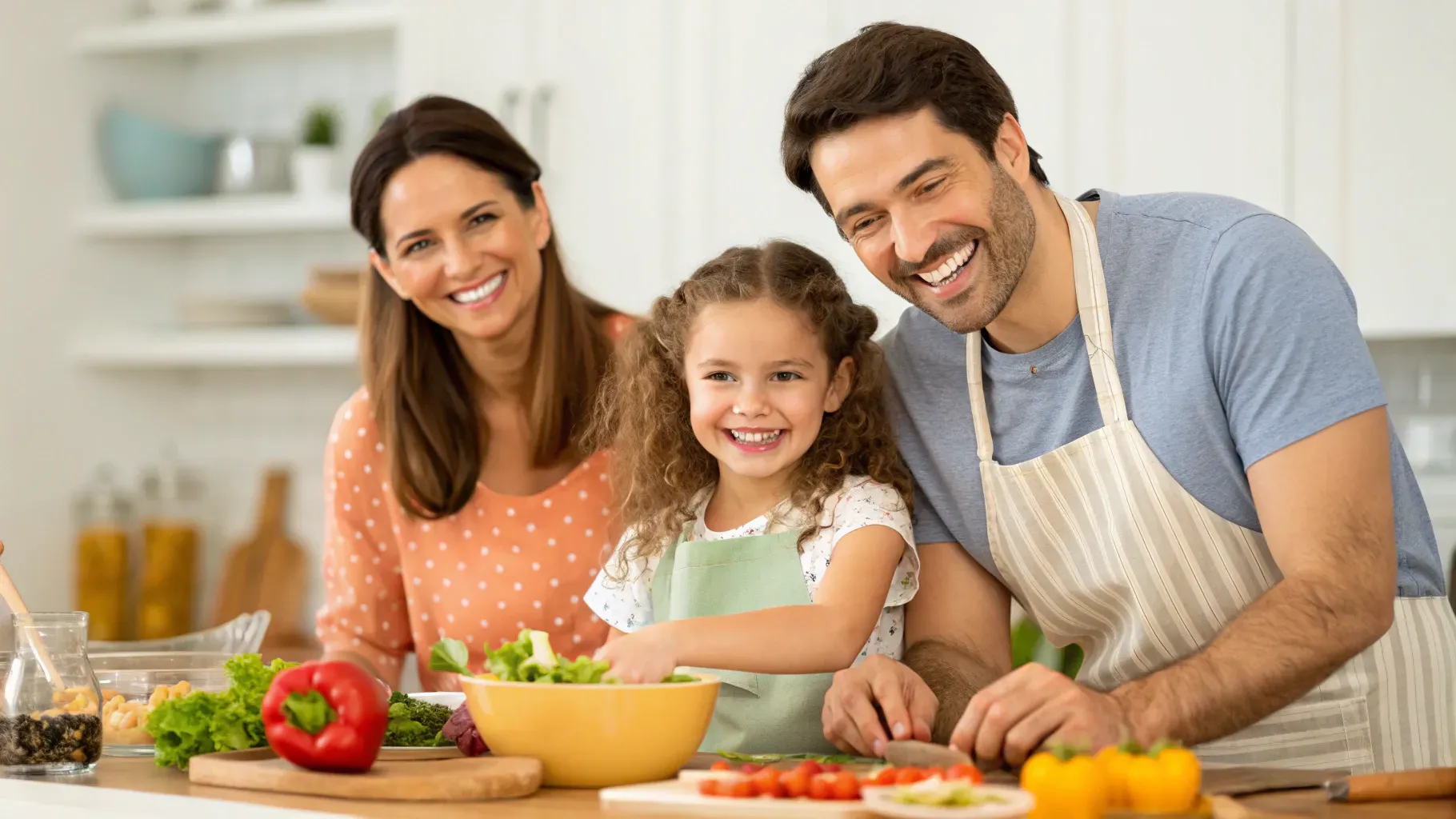
Family cooking recipes are more than instructions on a page. They are memories simmering in a pot, laughter echoing in the kitchen, and stories shared over a warm meal. If you close your eyes and think about your childhood, chances are you remember a particular dish that made you feel safe and loved.
In many homes, the kitchen is the heart of everything. It’s where small celebrations happen, where tough days soften, and where generations pass down traditions without even realizing it. That’s the power of cooking together.
This guide dives deep into how family meals create connection, how to build reliable go-to dishes, and how to turn simple ingredients into meaningful moments. Whether you’re cooking for two or ten, these insights will help you create meals that truly matter.
Table of Contents
ToggleWhy Family Cooking Recipes Matter in Modern Life
Life moves fast. Work deadlines, school schedules, and digital distractions often pull everyone in different directions. Sitting down for a shared meal can feel rare.
That’s why family cooking recipes are so valuable today. They create intentional time together. Research consistently shows that families who eat together regularly experience stronger communication and better emotional bonds.
Cooking at home also gives you control over nutrition. You can adjust ingredients, reduce processed foods, and create balanced meals tailored to your family’s needs.
Beyond health, shared meals teach children life skills. Measuring ingredients, washing vegetables, and setting the table all build responsibility and confidence.
Building Traditions Through Family Cooking Recipes
Every family has that one dish that appears at birthdays, holidays, or Sunday dinners. It might be a slow-cooked curry, a classic roast chicken, or a simple bowl of lentil soup.
These traditions don’t happen by accident. They are built through repetition and shared experiences. When children help stir a sauce or knead dough, they connect emotionally to the dish.
My grandmother’s kitchen always smelled of freshly baked bread. As kids, we waited impatiently for it to cool. Now, whenever I bake that same recipe, the aroma brings back her warm smile instantly.
That’s the magic hidden inside family cooking recipes. They carry emotion across time.
Easy Weeknight Family Cooking Recipes That Save Time
Weeknights can be chaotic. Between homework, errands, and fatigue, complicated meals aren’t practical.
Simple one-pan dishes work beautifully. A tray of roasted vegetables with seasoned chicken cooks evenly and requires minimal cleanup. Pasta tossed with sautéed garlic, tomatoes, and olive oil comes together in under 30 minutes.
Stir-fries are another lifesaver. A mix of colorful vegetables, tofu or lean meat, and a light soy-based sauce creates a balanced meal quickly.
When meals are approachable, families are more likely to cook together consistently. Reliable family cooking recipes don’t need to be elaborate to be memorable.
Teaching Kids Through Family Cooking Recipes
Involving children in the kitchen builds confidence and curiosity. Younger kids can wash produce or mix ingredients. Older children can learn to chop safely with supervision.
Cooking teaches math through measurements and science through understanding heat and texture. It also encourages healthier eating habits.
When children help prepare meals, they’re more likely to try new foods. Participation creates ownership.
Many parents discover that family cooking recipes become powerful tools for bonding and education at the same time.
Healthy and Balanced Meals Everyone Will Enjoy
Balanced meals don’t have to be complicated. Aim for a combination of protein, whole grains, and vegetables.
Grilled fish with brown rice and steamed broccoli is both nutritious and satisfying. Lentil stew served with whole-grain bread offers plant-based protein and fiber.
Flavor matters just as much as nutrition. Herbs, spices, and fresh ingredients transform simple dishes into favorites.
Well-planned family cooking recipes support both health and enjoyment, proving that wholesome food can also taste incredible.
Budget-Friendly Family Cooking Recipes
Cooking at home is often more affordable than dining out. Staples like rice, beans, seasonal vegetables, and eggs stretch far without compromising quality.
Buying in bulk reduces cost per serving. Planning meals around seasonal produce ensures better flavor and lower prices.
Leftovers can be repurposed creatively. Roast chicken becomes sandwiches the next day. Extra vegetables turn into soup.
Financial stability and shared meals go hand in hand when families rely on thoughtful family cooking recipes.
Making Special Occasions Memorable
Celebrations don’t require restaurant reservations. A homemade meal prepared with care often feels more meaningful.
Birthday dinners can feature a favorite pasta dish topped with fresh herbs and homemade sauce. Anniversaries might include a carefully prepared dessert baked together.
Decorating the table, lighting candles, and involving everyone in preparation elevates the experience.
Special moments feel warmer when they revolve around heartfelt family cooking recipes crafted at home.
Exploring Cultural Diversity in Family Cooking Recipes
Food connects us to heritage. Exploring dishes from different cultures broadens taste and understanding.
Trying homemade tacos, Mediterranean salads, or Asian-inspired noodle bowls introduces new flavors while maintaining togetherness.
Learning the origin of a recipe adds educational value. Discussing traditions while cooking makes the experience richer.
Cultural exploration through family cooking recipes creates appreciation for global cuisines and shared humanity.
Practical Tips for Successful Family Meals
Preparation reduces stress. Chop vegetables and measure ingredients before cooking begins.
Keep recipes visible while working. Clean as you go to maintain an organized space.
Encourage open conversation at the table. Put phones away and focus on each other.
Consistency builds routine. When shared meals become a habit, connection strengthens naturally through repeated family cooking recipes.
Emotional Benefits of Cooking Together
Cooking together fosters communication. Conversations flow more easily when hands are busy chopping or stirring.
Teenagers often open up during casual kitchen moments. Shared tasks lower emotional barriers.
Preparing food for loved ones expresses care without needing elaborate words.
Many families discover that family cooking recipes create safe spaces for discussion, laughter, and support.
Creating a Flexible Weekly Meal Plan
Planning ahead reduces last-minute stress. Choose a few reliable dishes for busy days and reserve weekends for experimenting.
Rotate proteins and vegetables to maintain variety. Keep pantry staples stocked for spontaneous meals.
Allow flexibility for unexpected schedule changes. Simplicity often wins over perfection.
A thoughtful meal plan built around family cooking recipes supports consistency without feeling rigid.
Building Kitchen Confidence as a Family
Mistakes will happen. A sauce might be too salty. A cake might sink slightly. These moments become stories later.
Encourage experimentation. Adjust spices, swap vegetables, and adapt recipes to suit preferences.
Over time, intuition develops. Families learn each other’s tastes and adjust naturally.
Growth in the kitchen mirrors growth in relationships through shared family cooking recipes.
Creating Lasting Memories Around the Table
Years from now, children may not remember every conversation, but they will remember how dinner felt. They will remember warmth, smells, and shared laughter.
The simple act of sitting together regularly builds emotional security. Food becomes a symbol of belonging.
When families invest time and effort into cooking together, they create traditions that outlast trends.
Through meaningful, consistent family cooking recipes, homes transform into places where connection thrives and everyday meals become lifelong memories.
Read also: