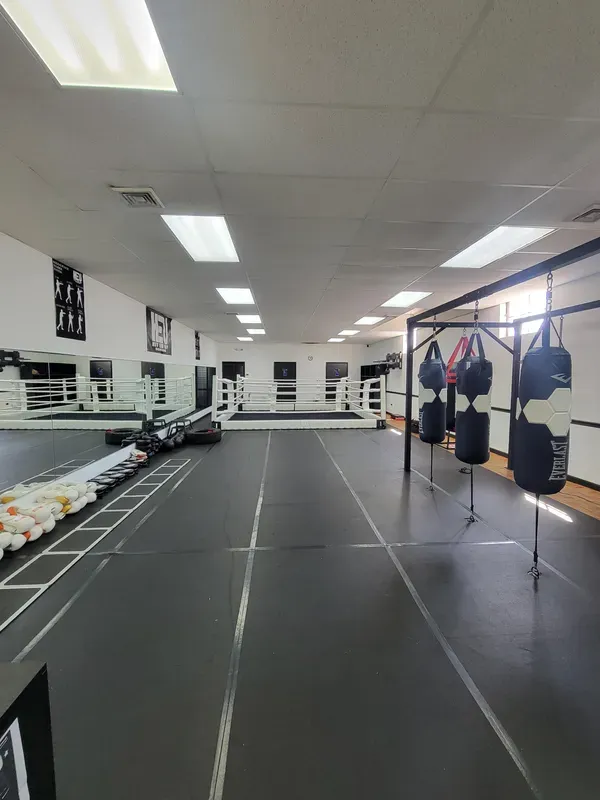
Opening or upgrading a combat sports gym requires careful planning. Boxing and MMA facilities use a wide range of equipment, and buying products without considering the complete layout can quickly lead to overcrowding, missing essentials, or unnecessary spending.
For U.S. gym owners, the most practical approach is to organize purchases by training function. Flooring, striking equipment, cage or ring areas, protective gear, storage, and conditioning tools should work together. A detailed checklist also makes it easier to determine which items are essential from opening day and which can be added as membership grows.
Begin With the Training Floor
The training floor forms the foundation of the facility. Boxing gyms need enough room for footwork, bag work, pad sessions, and sparring, while MMA facilities must also accommodate grappling, takedowns, and ground training.
Suitable gym mats for martial arts become especially important in MMA, BJJ, and wrestling areas. Owners should consider mat thickness, surface grip, cleaning requirements, durability, and how much continuous space athletes need during group sessions.
The floor plan should also maintain clear walkways between reception, changing areas, storage, and active training zones.
Build the Striking Area
Heavy bags are among the most heavily used pieces of MMA gym equipment. Depending on the program, a facility may use standard heavy bags, long bags for kicks, angle bags, speed equipment, and specialist training bags.
Bag spacing matters as much as bag quantity. Athletes need enough room to circle, punch, kick, and work combinations without interfering with neighboring stations.
A sliding punching bag rail system can provide additional flexibility in facilities where the same floor needs to serve several purposes. Bags can be repositioned according to the class instead of permanently occupying one fixed area.
Plan Major Purchases Together
Commercial gyms often need several units of gloves, pads, bags, protective gear, and training accessories. Purchasing these products one at a time can make costs and inventory harder to manage.
Working with an MMA gym equipment supplier USA can help owners organize a larger facility purchase around expected membership and class sizes. This is particularly useful when opening a new gym or replacing several equipment categories together.
A complete inventory should be prepared before major orders are placed so that spending remains balanced across the facility.
Decide Whether You Need an MMA Cage
An MMA cage is valuable for gyms that prepare athletes for mixed martial arts competition. It provides an appropriate setting for fence control, clinch pressure, takedown defense, escapes, and positional work.
However, cages consume significant floor space. Owners should calculate the complete footprint, including exterior clearance and door access, before installation.
A smaller startup facility may choose to establish its mat and striking areas first, then add a cage once membership and competition training justify the investment.
Include Wall Protection
Walls beside grappling areas may become part of training during clinch work and takedown drills. Hard structural surfaces can be unsuitable when athletes repeatedly train close to them.
Using gym wall padding for MMA in high-contact areas can create a more practical boundary around the mat space. Placement should reflect where athletes actually work rather than covering walls unnecessarily.
Padding, mats, and cage placement should ideally be planned together to avoid awkward gaps between training surfaces.
Stock Protective and Coaching Gear
Gloves, shin guards, headgear, kick shields, focus mitts, Thai pads, and body protectors should be included in the initial equipment list.
The quantity should reflect class sizes. A gym regularly hosting twenty-person sessions needs enough coaching equipment to avoid long waiting periods.
Shared equipment also needs organized cleaning, drying, and storage. Commercial-use gear should be checked frequently because regular classes can produce wear much faster than occasional home training.
Consider Wholesale Purchasing
For larger facilities, boxing equipment wholesale purchasing can be useful when several units of the same products are required. Gloves, pads, protective equipment, and training accessories are common examples.
Owners should still buy according to realistic attendance rather than simply ordering large quantities. Equipment that remains unused takes up storage space and ties up money that may be better spent elsewhere.
A class-based inventory is usually the simplest way to estimate suitable quantities.
Keep Storage and Conditioning Organized
Combat gyms accumulate equipment quickly. Wall racks, shelves, hooks, and labeled storage areas can prevent gloves, pads, wraps, and resistance tools from spreading across the floor.
Basic conditioning equipment may include skipping ropes, medicine balls, resistance bands, and free weights. These items should support the coaching program without reducing valuable technical-training space.
Flexible equipment is often useful because it can be moved when larger group sessions require more open floor area.
Conclusion
A complete MMA and boxing gym equipment checklist should cover much more than bags and gloves. Flooring, cage areas, wall protection, coaching tools, protective equipment, storage, conditioning gear, and flexible training systems all contribute to how smoothly a commercial gym operates.
By planning purchases around real class sizes and the facility’s main disciplines, U.S. gym owners can avoid unnecessary equipment while still preparing for growth. A balanced setup gives athletes enough space to train, helps coaches manage sessions efficiently, and allows new equipment to be introduced as membership and training demands develop.