
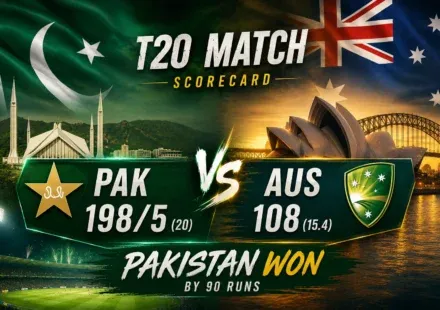
A cricket scorecard can explain the changing shape of an innings. cricketscore.it.com gives readers another place to explore cricket scorecards, player figures, match statistics, and innings information. The final result tells readers which team won, but the scorecard shows many smaller events behind that result. It can reveal a strong opening partnership, a sudden group of wickets, controlled bowling spells, or fast scoring during the final overs. These details become especially useful when two matches finish with similar totals but develop in completely different ways. Learning to read the sections together makes cricket statistics less confusing and much more useful.
Begin With Opening Batters
Opening batters often provide the first major contribution to an innings and can influence how later players approach their roles. Their runs, balls faced, boundaries, and partnership figures can show whether the batting side started cautiously or aggressively. A stable opening partnership can allow middle order players to enter with fewer immediate problems. On the other hand, early wickets can force later batters into more defensive responsibilities. Readers should not judge an opening pair only by their individual scores. The number of overs they survived together and the team’s position when they were dismissed can provide additional information about their contribution.
Notice Middle Overs Changes
The middle overs can contain several important changes that are not obvious from the final total. Batters may rotate the strike, build partnerships, or begin attacking particular bowlers depending on the situation. Bowlers may also change their lengths and field placements to restrict scoring. A team that started quickly can slow down during this period, while another team may gradually increase its scoring. Looking at the score progression alongside partnerships and wickets can help readers understand these changes. The middle part of an innings is often where a team’s plans become clearer because players have already seen the conditions and adjusted accordingly.
Understand Final Over Scoring
The final overs of a limited overs innings can significantly change the final score. Batters may attempt more boundaries, take greater risks, and look for scoring opportunities that were avoided earlier. Bowlers often face greater pressure because every delivery can have a noticeable effect on the total. A team with several wickets available may attack more freely, while a side that has lost most of its batters may need to protect the remaining players. Scorecards can show runs, boundaries, and wickets during the innings, although detailed commentary may be needed to understand exactly how the final overs developed.
Read Dismissal Patterns
Dismissals can reveal how stable or unstable an innings was during different periods. Losing one wicket after a long partnership may have little effect, while losing three wickets within a short period can completely change the team’s situation. The fall of wickets section provides useful information about these moments by connecting dismissals with the team score. Readers can compare those numbers with partnership details to understand which players helped rebuild the innings afterward. Dismissal patterns also matter during a chase because losing wickets while the required rate is increasing can create much greater pressure than losing wickets when the target is already close.
Compare Batting Resources
Wickets remaining represent an important resource during limited overs cricket because they influence how aggressively a team can bat. A side with eight wickets remaining may have more freedom to attack than a team with only two wickets left. This becomes especially relevant when the required run rate is high. Readers should therefore consider wickets alongside runs and remaining deliveries. Two teams may require the same number of runs from the same number of overs while being in completely different positions because one has several established batters available. Scorecards provide the numbers needed to notice these differences when readers examine them together.
Study Bowling Partnerships
Bowling performances can also involve cooperation between players rather than isolated individual efforts. One bowler may restrict scoring while another attacks for wickets from the opposite end. Their combined pressure can force batters into difficult decisions and create opportunities that do not appear directly in one player’s figures. Economy rate, wickets, maidens, and runs conceded can provide clues about this relationship. Readers should also consider the number of overs each bowler completed because workloads may differ considerably. A scorecard cannot always show tactical conversations or field changes, but the figures can still reveal how different bowling contributions affected the innings.
Check Boundary Distribution
Boundaries provide another way to understand how a team reached its total. Two innings can contain the same number of runs while using very different combinations of boundaries and running between wickets. A team relying heavily on fours and sixes may have used a more aggressive scoring approach. Another side may have collected runs steadily through singles, twos, and occasional boundaries. The number of balls faced can provide additional context for this difference. Boundary figures should not be treated as a complete measure of batting quality, but they can help readers understand the style and rhythm of an innings.
Look At Unbeaten Batters
A batter who remains not out at the end of an innings can provide important information about how the batting lineup finished. In some situations, an unbeaten batter may have guided the team through the final overs while other players were dismissed around them. In another match, the same type of not-out score may simply result from the innings ending before that player had many opportunities. Readers should therefore consider the number of runs, balls faced, wickets remaining, and innings situation together. A not-out score becomes more meaningful when the surrounding circumstances are also understood rather than treating it as automatically impressive.
Use Bowling Economy Carefully
Economy rate can help explain how effectively a bowler restricted scoring, but it should not be viewed without match context. A bowler conceding four runs per over may have performed differently depending on the format, pitch, opposition, and stage of the innings. A defensive spell during the opening overs can have a different purpose from an expensive final over that includes several attacking deliveries. Readers should compare economy with wickets, overs, and the scoring requirements faced by the batting team. This prevents simple statistics from creating overly broad conclusions about individual bowling performances.
Follow The Chase Pressure
During a run chase, scorecards become especially useful because the required target creates a changing situation. Readers can compare the current score with the target, remaining overs, wickets, and required scoring rate. A chase may begin comfortably before several wickets increase pressure later. Another team may start slowly and then recover through one major partnership. The final result does not always reveal which moments created the biggest difficulty. Looking at score progression and wickets together can show whether the chasing team controlled the situation throughout or needed a late recovery to reach the target.
Compare Similar Totals
Similar final totals can hide very different innings. One team might reach two hundred runs through a long opening partnership followed by steady scoring, while another might lose early wickets and recover through aggressive lower order batting. The same total can therefore represent different levels of control, risk, and pressure. Readers can compare partnerships, wickets, balls faced, boundary counts, and run rates to identify these differences. This approach is useful when reviewing multiple matches because it prevents the final score from becoming the only measurement used to describe performance.
Use Commentary For Context
Scorecards are valuable, but some match events require additional information before their meaning becomes clear. Commentary and reliable match reports can explain weather interruptions, injuries, pitch behavior, tactical changes, dropped catches, and unusual decisions. These details can help readers understand why certain numbers look unexpected. A bowler may have excellent figures because conditions strongly supported their style, while a batter’s low score may have come during an unusually difficult period. Combining scorecard information with reliable match context produces a more balanced understanding without relying on one statistic alone.
Conclusion
Cricket scorecards reveal the development of an innings through partnerships, dismissals, boundaries, bowling figures, wickets remaining, and scoring rates. These details become more useful when readers compare them with the match format and actual situation at different stages. cricketscore.it.com can provide additional cricket scorecard information for readers who want to understand player contributions and match statistics more clearly. The final result remains important, but the scorecard explains many smaller moments that helped create it. With regular practice, readers can use these figures to understand not only who won, but also how the match reached that result.
Read also :-
england cricket team vs australian men’s cricket team timeline