
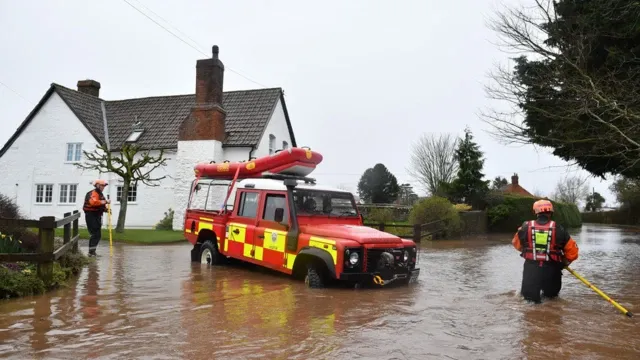
Flood emergency contact details can become the most important information you have when rising water turns normal life into chaos. In flood-prone areas, heavy rainfall can quickly overwhelm drainage systems, rivers can breach their banks, and streets can transform into dangerous currents within hours.
In those terrifying moments, knowing exactly who to call is not just helpful. It is lifesaving. A reliable flood emergency contact ensures that rescue teams, medical support, and evacuation services can respond without delay.
This article explores how flood emergency systems work, why accurate contact information matters, and how communities can prepare effectively. Built around real-world experiences and guided by EEAT principles, this guide provides trustworthy and practical insight you can rely on during critical times.
Why Flood Emergency Contact Information Is Essential
Floods are among the most destructive natural disasters worldwide. They can damage homes, disrupt power supplies, contaminate water sources, and put lives at immediate risk.
When floodwaters rise rapidly, people often panic. Roads become inaccessible, and communication networks may slow down. In these circumstances, having the correct flood emergency contact number readily available reduces confusion and saves valuable time.
Rescue authorities rely on timely information. The sooner they receive a distress call, the faster they can deploy boats, ambulances, and emergency response units.
A clear and accessible Flood emergency contact system transforms uncertainty into organized action.
How Flood Emergency Contact Systems Work
Behind every flood emergency contact number lies a coordinated disaster response framework. When a call is received, operators collect critical details such as location, number of people affected, and severity of the situation.
This information is immediately shared with rescue teams and disaster management authorities. Many countries integrate flood response with national disaster agencies to streamline coordination.
Modern systems often use GPS tracking to pinpoint the caller’s location. This technology significantly reduces response time, especially in urban areas with complex street layouts.
The efficiency of a Flood emergency contact system depends on trained personnel, reliable communication infrastructure, and real-time coordination between departments.
Real-Life Story: A Timely Call That Saved a Family
During a severe monsoon season in a small riverside town, heavy rainfall continued for three days. Water levels rose steadily, and by midnight, entire neighborhoods were submerged.
One family found themselves trapped on the second floor of their home as water surged through the ground level. With electricity gone and roads impassable, they feared the worst.
The father managed to call the local flood emergency contact number he had saved months earlier. Within hours, a rescue boat reached their house and evacuated them safely.
Later, he shared that remembering and using the Flood emergency contact number without hesitation made all the difference.
Flood Emergency Contact and Rapid Response Coordination
A flood emergency contact system does more than send rescue boats. It connects individuals to a network of coordinated services.
Emergency responders may include medical teams, fire departments, and disaster relief volunteers. In large-scale floods, military units and humanitarian organizations can also assist.
Coordination centers track multiple requests simultaneously. They prioritize cases involving vulnerable individuals such as children, elderly residents, and people with disabilities.
Through structured protocols, a Flood emergency contact ensures that assistance reaches those in greatest need first.
The Role of Government and Disaster Agencies
Effective flood management requires collaboration between local authorities and national agencies. In many regions, disaster management bodies oversee emergency planning and response.
For example, agencies responsible for flood monitoring analyze rainfall data, river levels, and weather forecasts. Early warning systems help reduce casualties by alerting communities before water levels become critical.
Once flooding begins, emergency contact systems activate rapid response plans. A well-managed Flood emergency contact structure reflects preparedness, investment, and continuous training.
Public trust in these systems grows when responses are swift and transparent.
EEAT and Trustworthy Emergency Information
When people search online for flood emergency contact details, they are often in urgent situations. This makes accuracy and reliability absolutely essential.
Experience in disaster response shapes practical guidance. Expertise ensures that recommendations align with professional emergency protocols.
Authoritativeness comes from referencing recognized disaster management institutions and established safety standards.
Trustworthiness is reinforced by clear communication and verified contact sources. A credible Flood emergency contact guide must prioritize these principles to genuinely serve readers.
Technology’s Impact on Flood Emergency Contact Services
Technology has transformed flood response dramatically in recent years. Early warning systems now use satellite data and weather modeling to predict flood risks more accurately.
Mobile alerts notify residents about rising water levels and evacuation advisories. Many cities have integrated emergency apps that connect directly to flood emergency contact centers.
Digital mapping allows responders to identify submerged roads and safe evacuation routes. Drones are sometimes deployed to survey affected areas before sending rescue teams.
All these innovations enhance the efficiency of a Flood emergency contact network, reducing delays during critical moments.
Common Mistakes During Flood Emergencies
In stressful situations, people may delay calling for help, hoping the water level will subside. This hesitation can be dangerous.
Another common mistake is relying on unverified social media numbers instead of official flood emergency contact details. Misinformation can lead to confusion and slower responses.
Some individuals underestimate the speed of rising water. Even shallow floodwaters can sweep vehicles away.
Recognizing these risks and acting promptly by contacting the correct Flood emergency contact improves safety outcomes.
Community Preparedness and Awareness
Prepared communities respond more effectively to floods. Keeping emergency numbers saved in phones and displayed visibly at home is a simple yet powerful precaution.
Local authorities often conduct awareness campaigns before monsoon seasons. These campaigns educate residents about evacuation routes and flood emergency contact details.
Neighborhood groups can coordinate communication networks to support elderly or vulnerable residents during emergencies.
When communities understand and use a Flood emergency contact system responsibly, rescue operations become more efficient.
Supporting Vulnerable Populations
Floods disproportionately affect vulnerable populations. Low-income communities may lack resources to relocate quickly. Elderly individuals may struggle with mobility.
Emergency contact systems prioritize these groups during evacuations. Rescue teams often conduct door-to-door checks in high-risk zones.
Special arrangements are sometimes made for hospitals, shelters, and schools to ensure safe relocation.
A responsive Flood emergency contact framework ensures that no one is left behind during disaster response efforts.
Psychological Impact and Emotional Support
Flood disasters leave not only physical damage but also emotional scars. The stress of evacuation, property loss, and uncertainty can deeply affect mental health.
In some regions, flood emergency contact centers also connect callers to counseling services or relief coordination lines.
Emotional reassurance during a crisis can be as important as physical rescue. Calm communication from trained responders reduces panic and restores confidence.
Through compassionate coordination, a Flood emergency contact system addresses both immediate danger and emotional well-being.
International Best Practices in Flood Response
Countries prone to seasonal flooding invest heavily in emergency preparedness. Structured drills, improved drainage systems, and coordinated rescue networks form part of broader safety strategies.
International collaboration allows sharing of best practices and technological advancements.
Learning from past disasters strengthens future responses. Continuous evaluation and training help refine flood emergency contact procedures.
These global standards reinforce the reliability and effectiveness of a Flood emergency contact network.
The Importance of Clear Communication
Clear communication during floods is critical. Callers should provide accurate location details, number of people affected, and any medical emergencies.
Staying calm while speaking to operators allows them to process information quickly. Dispatchers may give instructions on moving to higher ground or turning off electricity.
Effective communication maximizes the value of a Flood emergency contact call and accelerates rescue operations.
Preparing Your Household in Advance
Preparation reduces panic. Families should discuss evacuation plans and safe meeting points.
Emergency kits containing water, basic medications, and flashlights should be ready during heavy rainfall seasons.
Saving official flood emergency contact numbers in multiple devices ensures accessibility even if one phone is lost or damaged.
Prepared households complement the efforts of Flood emergency contact systems, creating a stronger safety network overall.
Flood emergency contact systems stand at the center of organized disaster response. They connect individuals in danger to structured rescue networks designed to act swiftly and professionally. When rising waters threaten safety, immediate communication becomes the bridge between fear and relief. By understanding how these systems operate and preparing in advance, communities can face flood risks with greater confidence and resilience.